Indifference.
[…] And more dangerous than fear is indifference, which ends, most of the time, by becoming a guilty complicity in diabolical offensives. Those who are not vigilant are more easily overwhelmed and captured. […]
Giovanni Papini
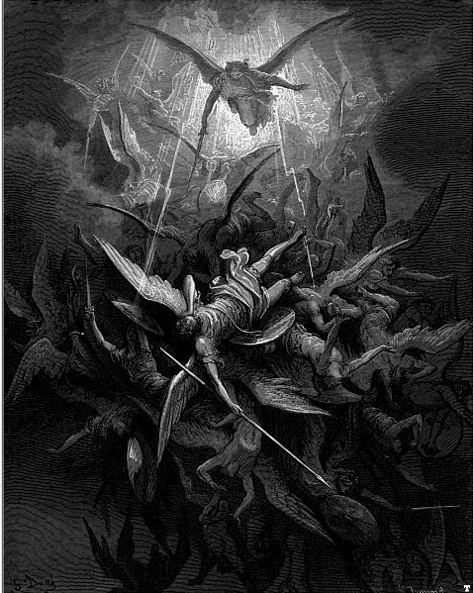
[…] And more dangerous than fear is indifference, which ends, most of the time, by becoming a guilty complicity in diabolical offensives. Those who are not vigilant are more easily overwhelmed and captured. […]
Giovanni Papini
Cicero: "To philosophize is to learn to live." Montaigne: "To philosophize is to learn to die." Both are right. To philosophize is to learn to live and, by living well, by understanding life, to understand death and to cancel its "threat.".
„[…] we have broken free, making way for a hasty civilization, for a Western indulgence, which in exchange for the rich blankets of our furrow, fills us with necessities that we would not have needed; through laws of a cosmopolitan character, which liberals are accustomed to calling "everything that...
[…] because what is certain is certain, who ever heard of a madman setting off on a journey without others coming and queuing up after him? Nietzsche joking bitterly
The only case of collaboration with the Devil "seriously documented" seems to be that of the French priest Louis Gaufridi (or Gofridi) who contacted the Devil through an enchanted book. He asked him "to seduce all the women he would blow on". The indictment confirms that...
Almost nothing remains of the writings of ancient historians. Although we know the names of over 600 Greek historians, we have only tiny fragments of the works of three of them: Polybus, Diodorus, and Dionysius of Halicarnassus. The situation is no better in the area of Rome either:…
„"The truth, we must say, is unbearable, man is not made to endure it; that is why he flees from it like the plague. - What is truth? It is that which does not help us to live. It is the exact opposite of a support. Therefore truth is of no use to...