Ragnarok
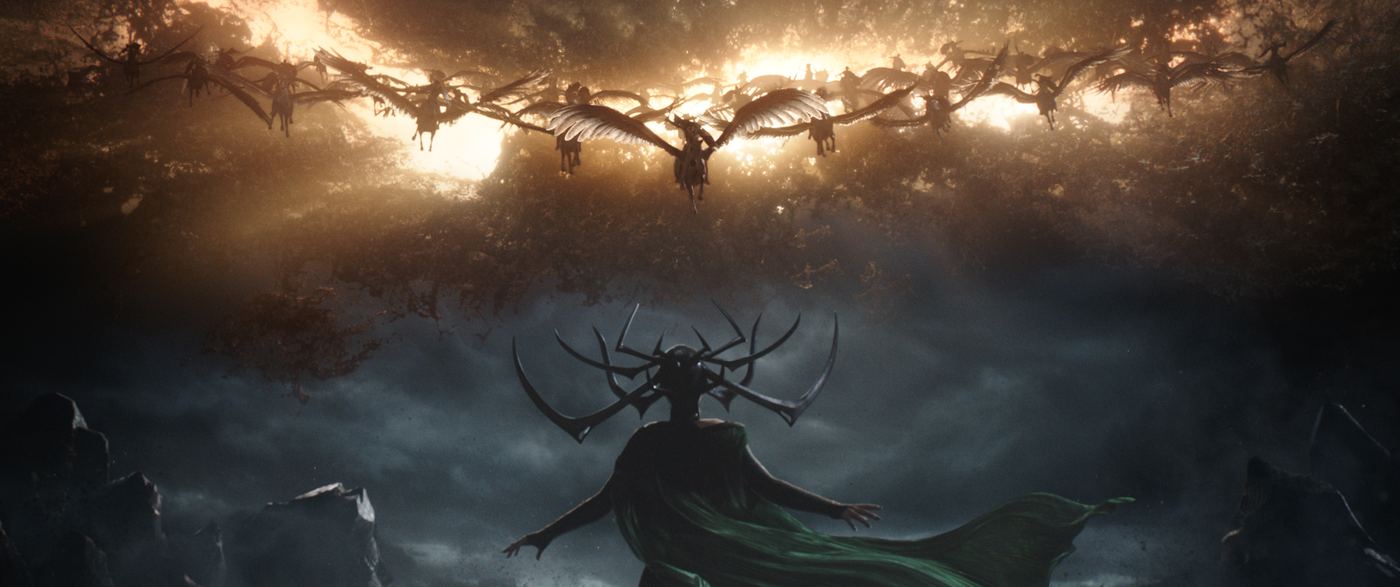
Yesterday I was watching Thor-Ragnarok with my younger son, Olaf. It was fun, entertaining, and there were some really good jokes. At the same time, I was trying to tell him the Norse myth of Ragnarok (which has little in common with the movie). While I was telling him the story, I had a little revelation.
Ewe is one of the most important veins, sources, mythological allegories of the Romanians. It is not only a myth but defines a matrix of our people. Discussing, over the years, this myth with different people from other cultures, I noticed that amazement in front of the resignation of the shepherd confronted with imminent death. Something that we also defined as being specific and unique in Europe.
And I understood that it is not so. The prophecy of the destruction of the world and the death of many of the Norse gods, Ragnarok, was known to these gods. The prophecy was both known as well as acceptedă as inevitable in time. And, despite the end already revealed by prophecy, the gods accept their fate and carry it out. In fact, Ragni = gods and Rock = fate.
The same acceptance of fate, of the inevitable, the same resignation in the face of death. The attitude of fighting or non-fighting in the face of predestined fate is irrelevant. Both the Mioritic shepherd and the Nordic god understand fate, accept it, embrace it and carry it out. Both the shepherd and the god can take action to prevent the fulfillment of fate. Or, at least, in an attempt to postpone, change or cancel the predicted end. Neither party does so.
I would be glad to have aroused the interest of a more serious researcher to start comparing the folkloric and philosophical motifs between these two mythological sources. I think we would all have surprises.