Confession….
„"„The quote is always subordinate to a principle of regimentation. Used for hagiographic, critical or derogatory purposes, it illustrates, constitutes a testimony in favor of or against someone or something, but always brings a benefit to the user.” – Michel Onfray
Moreover: the quotation brings into a polemic powerful, recognized troops, endorsed by a recognized authority. He thus becomes your ally and positions the opponent's logic as inferior. A hard-to-penetrate armor, the quotation is the method of protecting yourself, hiding, retreating behind universally recognized characters. Preferably past into non-existence. The quotation dissipates you in the spirit of another.
Quotation helps, distorts, manipulates and modifies. It is a form of ventriloquism that, used skillfully, demonstrates anything on any subject. A choice if the opponent does not know the entire corpus of the quoted master.
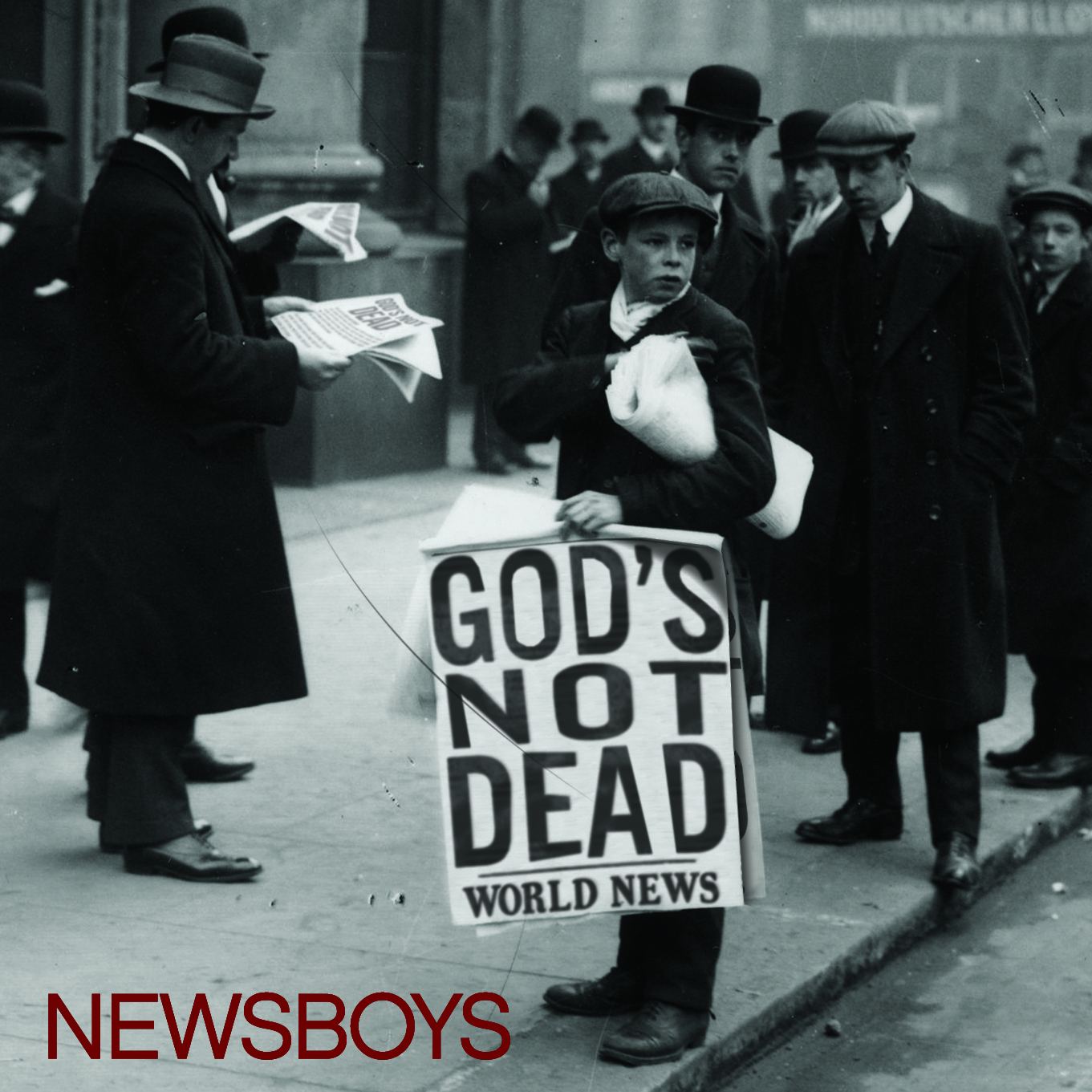
The context gives value to a statement. Taking it out of context corrupts, destroys, can anathemaize. An easy example is Nietzsche's statement: "God is dead". However, the context shows us that Nietzsche was referring to the death/murder of the eudaemonistic/hedonistic/Epicurean metaphysics by the Socratic spirit and by the idealism generated by it. A (cordial) polemic between two philosophical currents (the official, majority, idealist one against the almost extinct, hedonist one) brought the great philosopher a wrong condemnation from Christianity.
„"God is dead. God remains dead. And we have killed him. Yet his shadow still haunts us. How could we, the criminals who have committed the greatest crime, succeed? What was holiest and greatest in this world has bled under our knives: who can wipe this blood from us? What water can cleanse us? What manifestations of pre-exaltation, what holy games must be invented? Is this not too great a task for us? Must we not simply become gods to appear worthy of this deed?"”
(my own translation)