Oath of Allegiance. 1933
The world war broke out like a
the storm sweeping over humanity.
the storm sweeping over humanity.
Following him, for almost two decades,
the continent, transformed from a morgue into a health center, is
overwhelmed by theories and formulas, without finding its place. Who would
could say how long this period of molecular earthquake of the
of old Europe and what smiles does the tired laboratory still have in store for us? As in
all the cataclysms but also in the recent collapse a principle of the health of
sought to make its way, establishing a new order of life on the ruins. The idea
national, which during the 19th century determined the changes in the map
in the West it pushed its triumph further by creating new state borders
in the sense of ethnic delimitations. An act of historical justice quite
belatedly fulfilled, somewhat normalizing the life relationships of the
a corner of humanity. That in this fresh settlement there are discoveries and
questions that have not yet received their answer, the phenomenon is natural and anything
A history textbook can give us reassuring clarifications through similar chapters.
from other eras and other places.
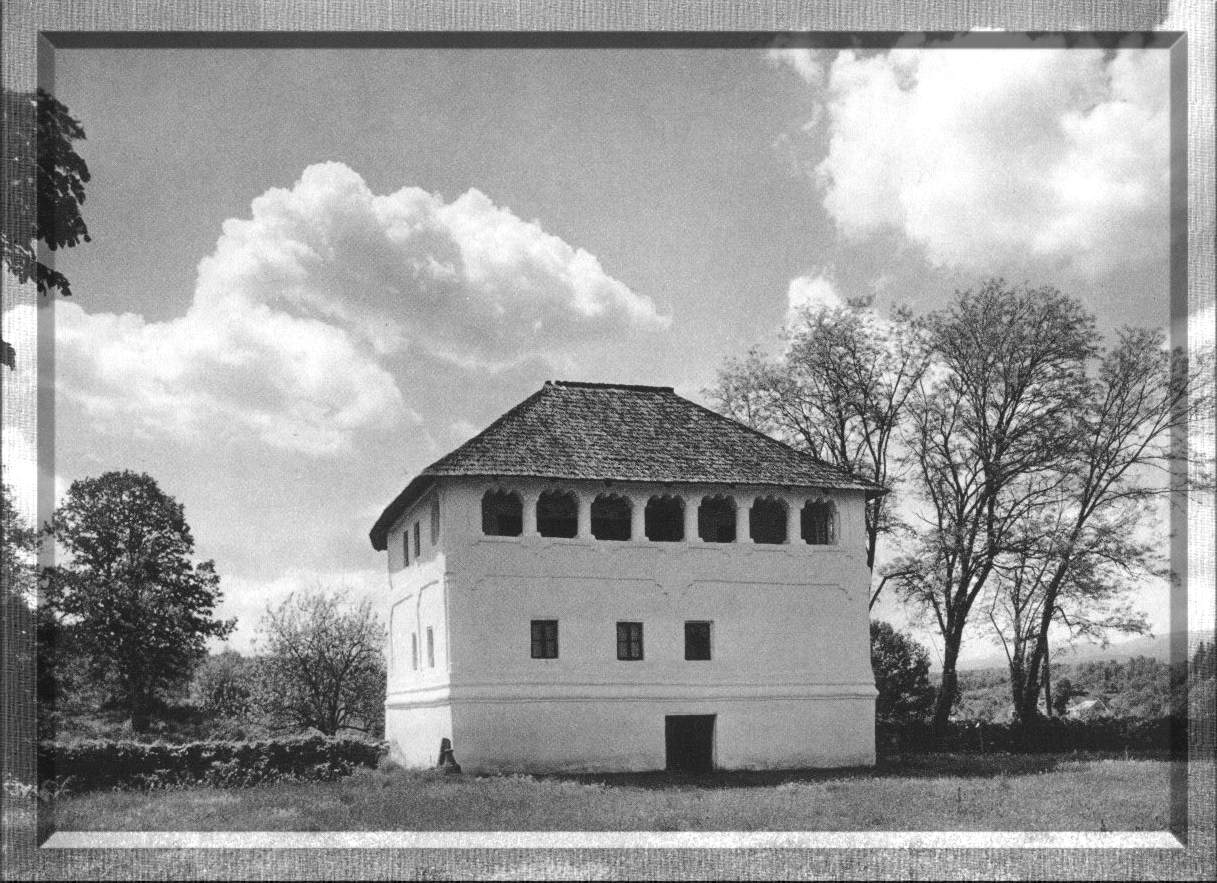
Romania with its current borders is
the result of this act of historical evolution, through which it legitimizes its right
of existence and falls within one of the great elementary truths of
a common heritage of thought.
the result of this act of historical evolution, through which it legitimizes its right
of existence and falls within one of the great elementary truths of
a common heritage of thought.
The purpose of these lines is to give
In passing, a few explanatory notions for a book that by its absolute rating
The true nature of photography will depict the authentic reality of a people, beyond
by the subjective invention or the interested comment of some workshop
writer. The photographic plate, with the sincere confession of the picturesque Romanian,
will succeed more than these pages in presenting fragments of the life frame
of a country founded in its present form, but with strong resonances in
last.
However, some clarifications are required.
initials that, at least fleetingly, illuminate both our mystery of procreation
as well as general outlines of the present.
initials that, at least fleetingly, illuminate both our mystery of procreation
as well as general outlines of the present.
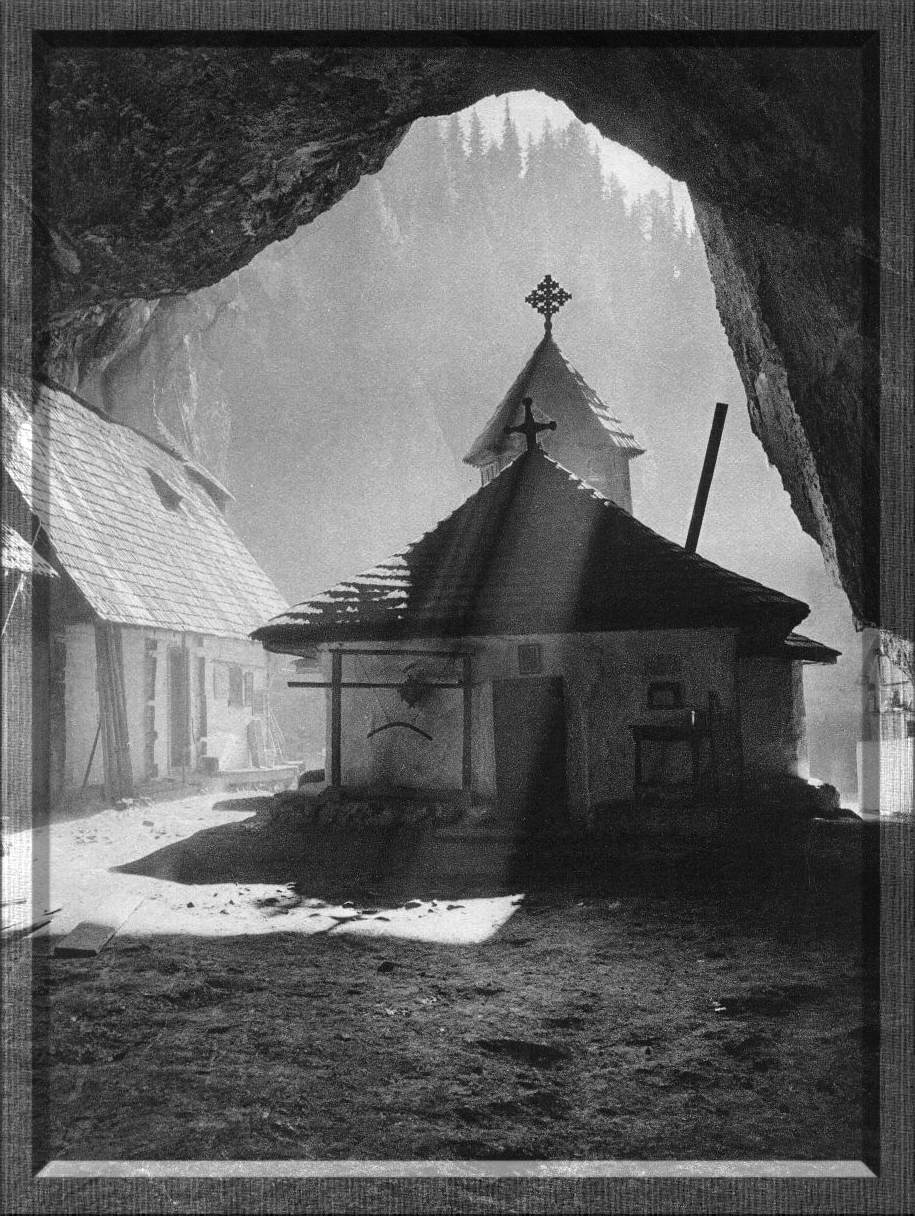
What is the first configuration?
geographical and how the soil structure looks like in this nation to which it is referred
directs the West's gaze so many times inquiringly? A poet, - the most
our great thinker, whose genius spread its wings in the suffering of
centuries-, Eminescu, condensed into a single line of a whipping poem
the range of the Romanian ethnic group: "From the Dniester to the Tisa". The tormented prophet had
justice when he codified in lapidary verses, the objective of a struggle
millennia and gave a fighting program to the generations that came after. His vision
great precursor succeeded, as in other places where at the beginning of a
liberation movements was a poem. Between these rivers our drama was played out
sprinkled abundantly with tears and blood in two thousand years. This earth
appears as an organic entity. A huge rift having the Carpathians as its backbone and
breathing at the Black Sea, I hope that guides the rivers that cross both
flanks, Romania shows us a variety of landscapes with a wealth of
particular. The mountains with their forested massifs and their bald stone peaks
purple, without having the height of the Alps, are of a severe grandeur in appearance
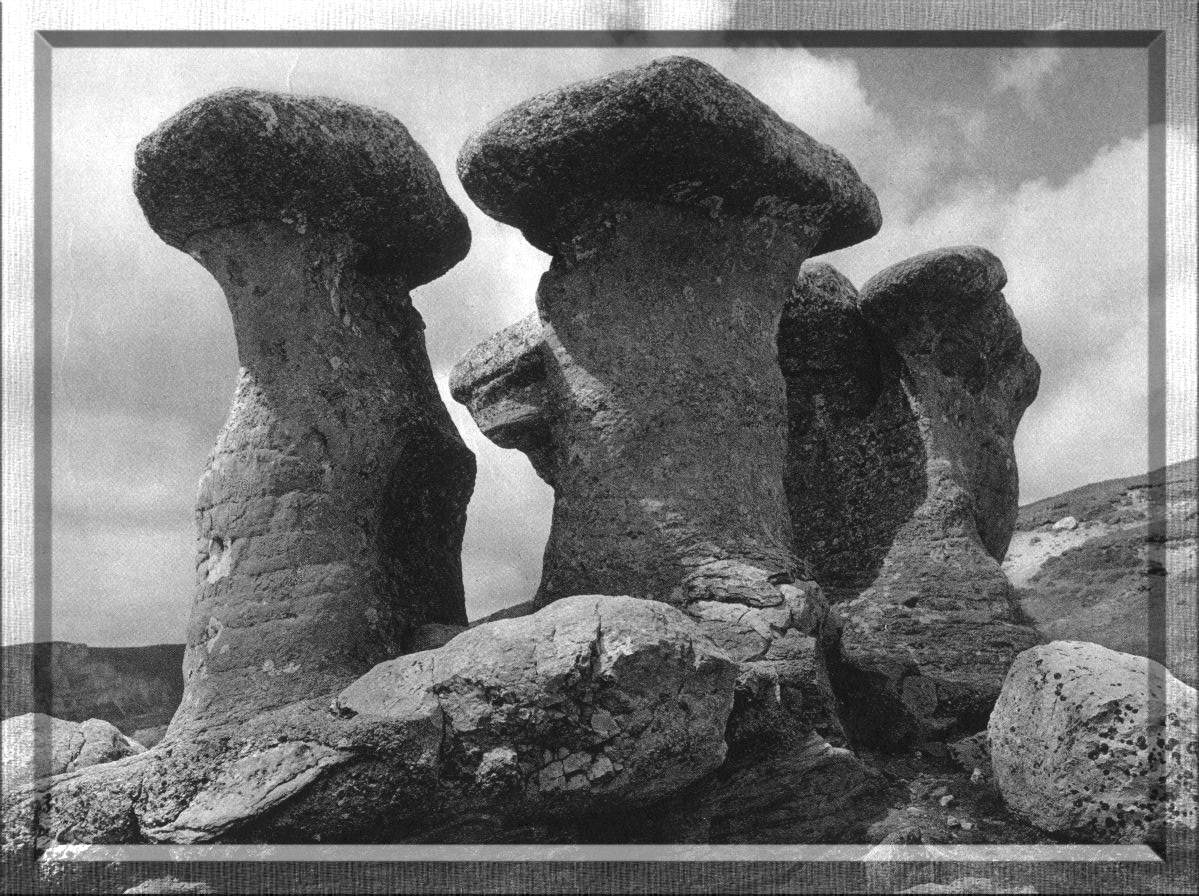
Whether in Bucovina, in Fagaras, at the head of Ceahlaului or on the ridges of
the rocks of the Bucegi Mountains, as in other corners of the country, these mountains express
the tragic wildness of nature, with an unusual vigor, recalling the chain
precipitous above the Norwegian fjords. The forests that cover the coasts
with their damp depths untouched by the axe, the thickets of old fir trees
overturned by lightning, the springs gushing from beneath the stone slabs, all
these views give you a feeling of ancestral intimacy of nature,
which the West, intersected everywhere by the traces of man, no longer tries to
hundreds of years. This forest wilderness is also attributed to the fauna of the Carpathians, where
Bears, wild boars, wolves, black goats and deer swarm through the thickets and glades
making Romania, in terms of hunting, a unique country on the continent.
But descending from the mountain steps
towards the foothills, passing over the rolling wave of these granite foundations which
They enclose in their underground fibers gold, salt, coal, iron, a formidable
overflowing with mineral wealth, the landscape softens, turning into rolling hills
faded into the distance with an infinite range of colors, from dark green
of oak forests to the dull yellow of burnt stubble. It is a country
extraordinarily fertile agricultural land that stretches before our eyes, with a
lush vegetation scattered across a brilliant blend of fields and waters,
-of course the most blessed soil in Europe. At the foot of the mountains, on both sides
slopes, as if from some mysterious and huge factories of titans locked in
the bowels of the earth, rivers of fire boil with the fearful roar of
volcanic eddies. On the one hand, in Transylvania, there is methane gas which, on a network
hundreds of kilometers deep, it erupts like a sea of fiery lava, causing
splits the air like a pillar of flame - on the other side are the deposits
oil field in the Prahova Valley which spills this fluid daily in thousands of wells
hot of a geological formation without a peer on earth. Both
the parts, moving forward, the vast, clear plain opens up before the viewer
and generous, like an open book. From the heights of Postavar, above
Brasov, you can see Tara Birsei, the admirable fabric of agricultural culture of
the ancient Saxons, recalling the geometric figures in their embroideries. To
north, further, like an endless emerald train cut by a sheet of
silver, the Mures Plain appears. Then, coming out of the Prahova Gorge,
the Moldavian plane, a multiple carpet laid out towards infinity, rising suddenly
astonishing you with the burst of energy of its black clay overgrown with greenery. With
The further you go along the banks of the Arges or Ialomita rivers, the wider the horizon becomes.
unfolds, the contours are lost and the eyes wander in emptiness without a point of reference
support. You find yourself in front of Baragan, the Canaan of Romania, with fat humus like
the furrow of the field in Banat or certain regions of Bessarabia means itself
prodigal abundance, without measure and without limit. An old Romanian legend,
Wanting to explain this foolish reward of the ghoul, he jokingly says that God
After the creation of the world, stepping on high to sow the earth, here his sack broke.
and all the seed fell on these fields. In the summer days the golden fields
already bending under the sun's rays, the corn is waving its metallic leaves like
a forest of glittering swords, yellow rapeseed spreads its sleepy aroma,
from all angles life seems to throb with a restless sap that
Herds of cattle rest on these lazy orchards,
Wild horses frolic in front of the well with the scales, flocks of heavy bustards
they stir from their hiding places and run, beating the ground... Hours, whole days,
you can wander under the breeze of the same warm wind in which like a silvery breeze
threads of ropes shine in the distance. From time to time walls and towers of
traveling cities walk their mirage and disappear, playful images from the Face
Morgana who often caresses the solitudes of our fields...
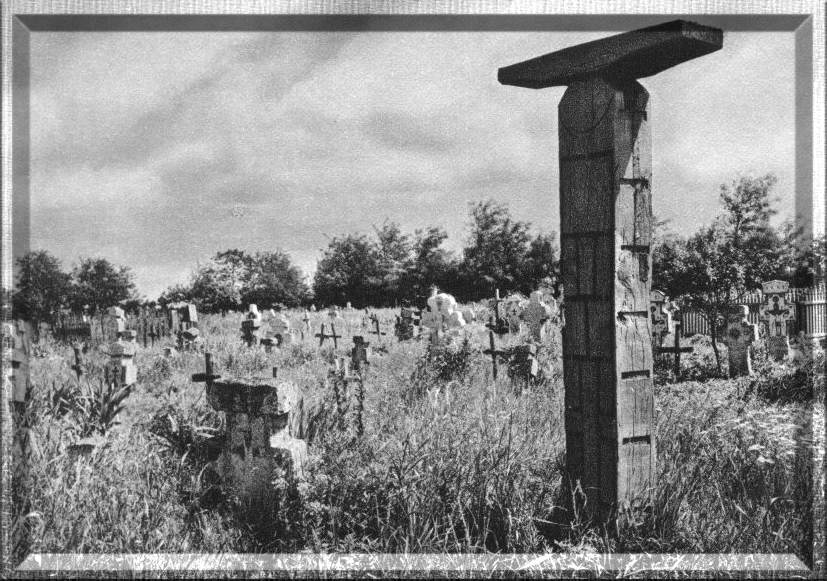
In such a wandering, like a
The unexpected surprise is the Danube before you, which silently winds its way
the steel-shining spine embraces the entire expanse of Wallachia. Entering
in the country the Danube passes through the Iron Gates with turbulent waters that
they hit boulders and rocks; as they advance on their way, collecting rivers and
our stories, slows down, becoming soft and thoughtful,
widens the valley and gradually approaches the Sea. Ancient border of
settlements of peoples and state formations, the wise river, -mosneag
who has recorded so many aspirations and protected so many opposing destinies,
flows calmly towards eternity, as a symbol of majestic resignation... Before
to die but opens its arms and the miraculous Delta is thus born from
this huge gesticulation, jungle full of colors and mystery like a fairy tale
oriental. If they had no other wonder than the Danube Delta, then they could
Romania demands from all nature lovers a pilgrimage that will
reveals charms yet unknown. This kingdom of water where they are reflected
floating islands with reed beds and water lilies, endless
Eldorado of fish over which people of different races roam in capricious flocks
wild geese, ostriches, pelicans and egrets, it's a strange and exotic corner,
something of the appearance of the enchanted Ganges which made a halt in the middle
of our skeptical civilization. This is how the Danube dies, disappearing into the Black Sea:
calm flows of gray waves. From afar, blue folds rise
of the Euxine Pontus, violent in their restless restlessness. The meeting of the
two continents with all its dizzying cascade of battles and enemy skirmishes
on the scale of time it is caught as if in this cry from the depths. A light
penetration descends from above and feasts above it, projecting nothingness and
Divinity.
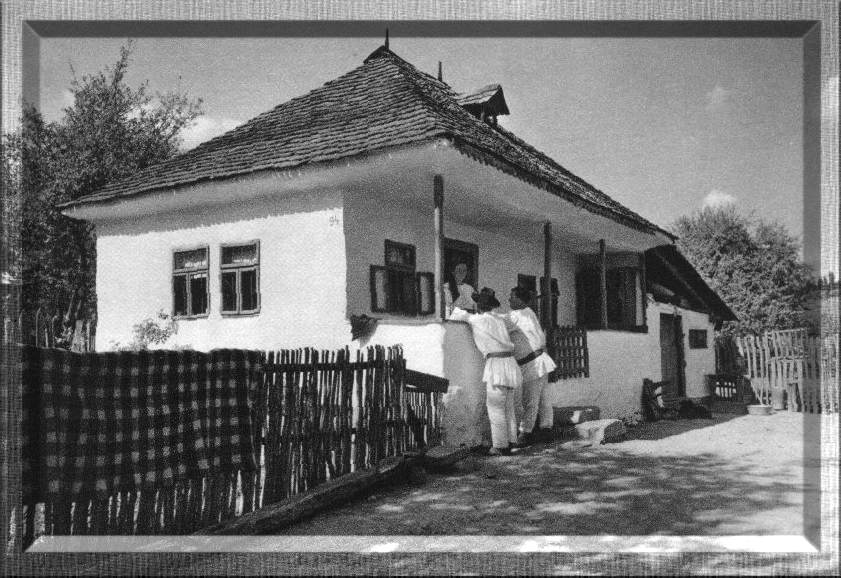
Life has been repaired on this earth.
ours, century after century, under the harsh blows of fate.
ours, century after century, under the harsh blows of fate.
When did this child's childhood begin?
people, the chroniclers did not record it, nor where his cradle first moved
We are as indigenous as the rocks of the Carpathians, which do not
they can have a birth story, because they always found themselves in their place.
There were, of course, scholars, historians or philologists, who issued various
theories of our descent, destroying each other. The reality is that
The first ethnic dough on which the dowry of posterity was grafted in our country is that
Thracian-Getic population that the elder Herodotus mentions and which very
serious modern research has fully justified it. Probably the Dacians, whose
the strong state settlement stopped the first expansion tendencies towards
eastern part of the Roman Empire, are the successors of these native inhabitants.
A strong and warlike people, as Trajan's column from
Rome, these soldiers, whose sword had stopped the invasion of the Scythian knights,
they fell defeated by the skill of Roman strategy. At the beginning of the 1st century
2nd century of the Christian era, Latin civilization with all its attributes
conquered here and the new province with its riches put to good use became: Dacia
Felix, who, according to some skillful recipes of government, raising himself,
fed the center. For almost two centuries this infusion of Latinity lasted,
for after this time the occupying legions withdrew to Moesia, called by
Diocletian, but the fruit of this marriage remained in place, descending as if in a
cauldron in the mountain valleys. A new baptism of faith, language and customs,
a shocking crossing of soul and blood took place here after
the conqueror Trajan.
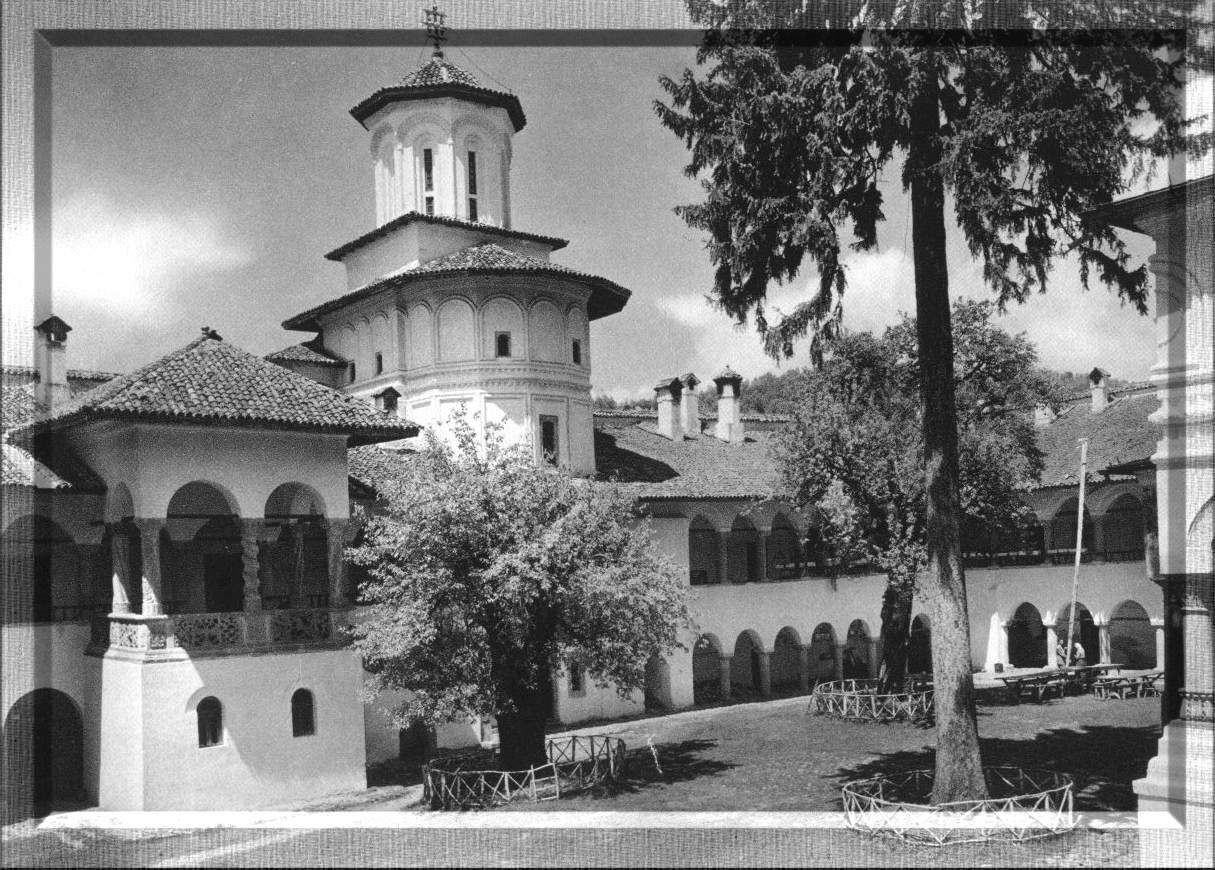
This mixture is the basis of existence
our.
our.
Since then, the Middle Ages, full of
darkness and curse, unleashed terrible storms with heavy rains and
The prestige of wealth whetted the appetites of the nomadic hordes, and the specific
geographical configuration has always weighed on us like a curse of
birth. Some have not galloped over us, like a summer hail that
ruining everything? Huns, Avars, Pechenegs, Hungarians, Cumans, Turks, special races
they trampled Dacia with the hooves of their small horses, sowing death and
destruction. Corridor of the migration of peoples, we felt on the body
our world, the mad spasms of universal history. In this maelstrom we have
We were bent, but we did not break. The flood passed without drowning us, the lightning struck us.
hit alongside without touching us. The Carpathians protected our adolescence in the nest
and when we went out to sea to be recorded in the chronicles and annals, we brought
with us a formidable arsenal of defense: a well-defined racial consciousness and a
the structure of the Romance language, in which all the infiltrations of various
ethnic neighborhoods.
History books reflect from here
before the whole procession of events
in which an excessively hectic life was intertwined. The two principalities
The Danube rivers were the permanent clot of a national resurrection. The Romanians, on the
above and below temporal borders, they have actively and
conscious feeling of organic units. This urge has found its political
in passing the concrete formula for achieving three hundred years ahead under
the scepter of a Wallachian voivode, who paid with his head for the success of a dream. Since then
the thread was woven further and no power was able to break it
The geographical tragedy continued unabated with its catastrophes,
which the West has never shared. Perhaps this very vortex
The fearful awakening in this nation awakened special biological functions that
were predestined to face misfortunes, finding a state of balance in
amidst dangers. Withstanding the Tatar and Turkish invasions, the Romanians of
For seven centuries, a state life has continued uninterrupted on the Danube and the Dniester.
and assert their right to a civilization of their own. Between three kingdoms, as between
three millstones have been grinding the ferment for half a millennium
our independence. Today the three kingdoms with their old form of state
they are no longer found on the map of Europe; the national idea has drawn the borders of blood.
Romania, the new country, the oldest after
Her kinship with the earth is for the first time enthroned in her rights.
Her kinship with the earth is for the first time enthroned in her rights.
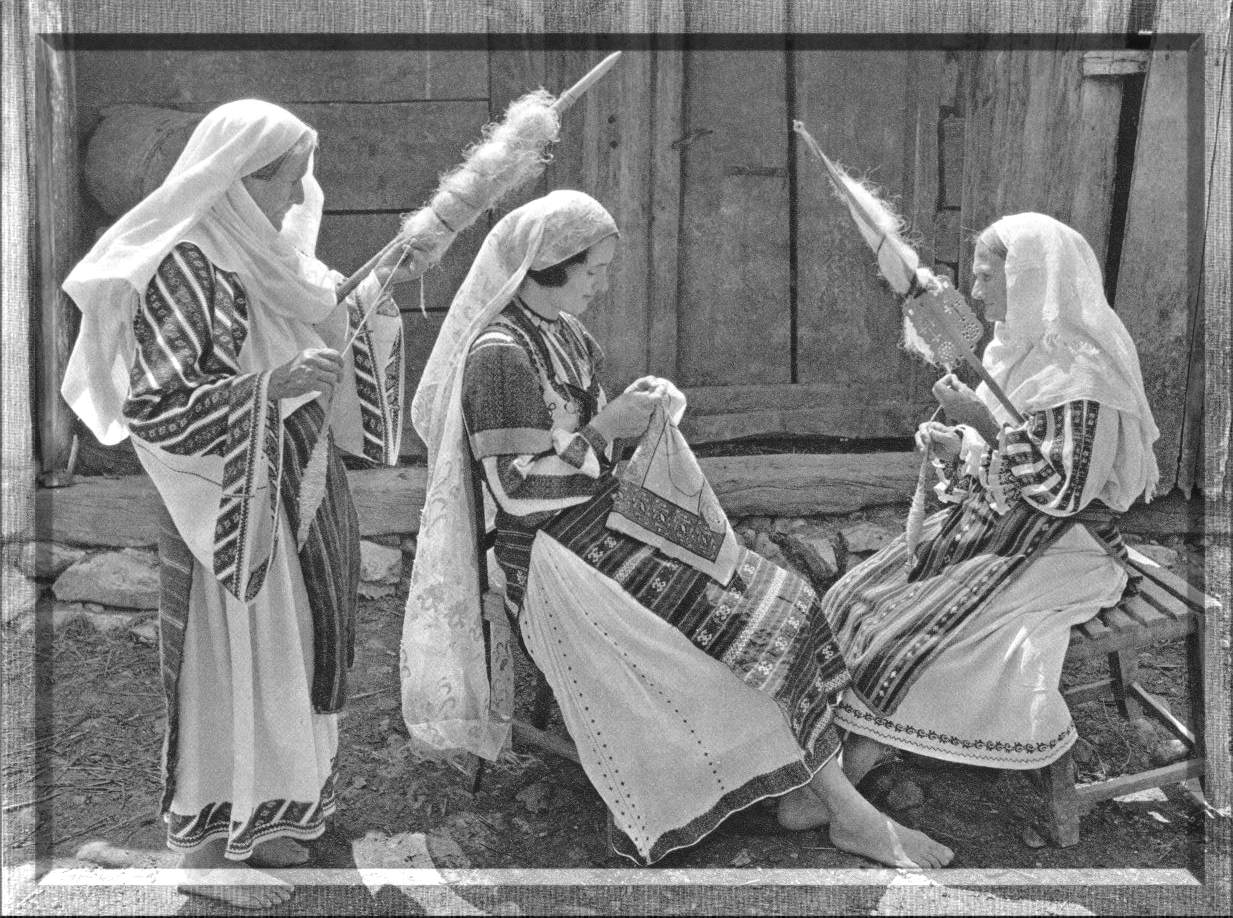
In this two millennia in which
molded by Romanism, his soul, like a vast reservoir, drew into it memories
and hopes, joys and laments, all the thrills that he felt during
Who could open this treasure of feeling and choose from it
What is the secret behind the multiple range through which our specificity is expressed?
national?
molded by Romanism, his soul, like a vast reservoir, drew into it memories
and hopes, joys and laments, all the thrills that he felt during
Who could open this treasure of feeling and choose from it
What is the secret behind the multiple range through which our specificity is expressed?
national?
In the material world, however, traces of the past are visible, as
monumental sarcophagi of past glories. Contact with the peoples who
have died out, the relationship with buried cultures can be deciphered from so many stones
who speak clearly on our territory. Here in Hunedoara County for example
the walls of the Sarmisagetusa fortress which clearly illustrate the proportions of power
constituent state of the Dacians and the well-established foundation of the old king
Burebista. If there were a blood alchemy scientist who could analyze
the origin of the wonderful liquid, globule by globule, I am convinced that many would
affirms our descent from these bare-chested Vlajgans who bit with
teeth in the land of Decebalus. As for the remains of the Roman rule, they appear
everywhere as certificates of a vast military and administrative system
with which Rome had pushed the occupied province. The bones of our ancestors are
mixed in all corners with the remains of Latin civilization. At Turnu Severin you can still see on our shore the wall
the bridge of Apollodorus, – over which Trajan, in 101 AD, crossed to
beyond the water the splendor of the Romanian eagles fills. Above the Danube
raise the ruins of the camps that reveal in detail the occupations
legionaries concentrated here "ex toto orbe terrarum". They are still intact
the altars of the gods and the grass grows gently around the marble whose inscription
means the death of a centurion or the lamentation of two children for their mother. In
Dobrogea at Trajan's Wall, at Alba-Iulia in Transylvania, at Deva where
The cult of Mithras left us a whole hecatomb of stone, in all parts
like diplomas of nobility, the seals of this dominion emerge. More:
The vast ramifications of state order were planted in the footsteps of these two
centuries of intense activity, directed from the banks of the Tiber. The roads of
chiefly are the arteries of communication fixed by engineers eighteen hundred years ago
years, our gold mines or the salt pans exploited by them give you the impression that
they were abandoned only yesterday or the day before yesterday and that they will soon return. Who
touch in passing even with your eyes this huge speck of wasted energy
here, I realize how many of the impulses and passions of these prides
country leaders locked away in our souls, like the ashes of funeral urns….
Naturally, like the medieval historical monuments in
more recent eras are found in respectable numbers sown in the country.
more recent eras are found in respectable numbers sown in the country.
This is the fortress wall on the banks of the Dniester River
probably built between the 14th and 15th centuries by the Lords of Moldavia. Reflecting
the Italian architectural conception of these settlements of our defense towards
east are the work of Genoese craftsmen who landed here from the fast ships of
the famous republic that had commercial outlets to the farthest points
of the Black Sea. Built at Hotin, Soroca, Tighina and Cetatea-Alba, with the purpose
initially to serve as a dam against the influx of Crimean Tatars, these
walls of remarkable picturesqueness have often played a decisive role in
the Russo-Turkish wars hosting, among other things, Carol's romantic exile
12th century and tumultuous, being behind the Asian splendor of Potemkin.
Today they are silently reflected in the water of the Dniester, raising their granite gutters.
like clenched fists of Europe.
In Transylvania, starting with the 13th century, the Gothic style
created special works that have remained to this day like pawns of
The West on Romanian soil. The fortifications at Feldioara, Prejmer or
Harman, crafted by the Johannite monks or Templars, have been preserved intact,
venerable testimonies of endangered Christianity.
The Saxons in particular, in their cities, possessed on a vast scale all
the nuances of Gothic, from the heavy shoulders of the massive bastions to the line of
the indrag of the church towers. The few centers like Brasov, Sibiu
and Sighisoara are a characteristic embodiment of German genius with a
direct repercussion of the craftsmen from Nuremberg or Rothenburg. Likewise
Bran Castle, with its seven hundred years of history, looks like a knight's nest
snatched from a peak on the banks of the Rhine and by a miracle climbed
on the rocks of our Carpathians.
So many have carved their dream of greatness in stone
on this earth, from which in an instant the native sap gushed forth and poured out upon
all spread out like an invading sea.
on this earth, from which in an instant the native sap gushed forth and poured out upon
all spread out like an invading sea.
The eternal song of all the accumulations of strength in
nature.
nature.

Under the mists of time, Romanism has hidden itself in
the hollows in the mountains.
the hollows in the mountains.
Like rivers that make their own beds on their way
underground and in the distance they rise again, so we retreated from history
that in a few centuries with an impetuous impulse we may demand the word. In this
In silence a soul and a conscience were developed. Under the tops of the fir trees or on
the dewy grass of the meadows, amidst the flocks of sheep, the great-grandchildren of the old
Thracian-Roman amalgam they repaired their living. Put in direct contact with all
the mysteries of nature, they have trained themselves in a delicate impressionability and a life
interior full of questions. Ancient legacies combined with pantheism
Roman, Christian precepts embroidered on the light of ancient paganism,
the roar of the forests and the lightning strikes on the peaks, the murmur of the spring and the song
of greer, all these strings from a wide keyboard, without beginning and without
finally, they sharpened their senses and deepened their inner resonance. In this
primitive patriarchal life aesthetic values were fixed with precision, a
The harmony of lines and colors guided the eye and hands.
Who will seek to examine competently the immense
the treasury of Romanian ethnography will note our unparalleled superiority
compared to similar manifestations of other peoples. The variation of the costumes from
region to region, often from village to village, the invention and finesse of these poems
sewn on linen, the discreet taste in tones and applied motifs, all
they give a vast visual symphony that can only be compared to the treasure
literary and musical folklore scattered in the shadows of the villages. A stranger cannot
I suspect this cascade of sensations that will never have the chance to
down on paper. To verify it he will have to go there himself, on
the edge of a hill at the foot of the mountain, on a summer Sunday to see the girls at
dance, to detach from their branches the ancient rhythm of movements frozen in
the design of Greek vessels, to glance in passing at the notches of a mace
shepherd from Rucar, or to be amazed by the splendid barbaric elegance of
Oltenia's barks. An impeccable sense of form and proportion is ingrained
he lives in the country and takes pride in all the great and small folk creations, from
the carved oak gates of Gorj piano at the last shard that
quenches a traveler's thirst... What ancestral influences have nourished
The particularity of this artistic flora from the Carpathians will perhaps determine
to scholars who, admiring the windows of the British Museum in London, will
discover with surprise the striking similarities of some stitches from Egypt or
Iraq with some products of Romanian ethnography.
For us, eternity breathes from them.
But there is a brilliant civilization, whose forms
and principles have reverberated on our soil, have taken root here and
By stopping, they received a new meaning, finding their second home. It
the cultural extension of Byzantium. Church ties to the East, we have
transplanted to us together with the dogmas and rites of Orthodoxy a conception of life
with all its consequences. This spiritual import, making its way into the souls,
drew its baptism from local heritage. Architecture and painting of the style
Byzantines in their penetration to the north stopped at our shelter
ecclesiastical settlements gave birth to immortal works of art. After the fall of the
Constantinople, the exodus of a complex heritage moved to the two
Danubian principalities. Princes from the old imperial families, monks,
ascetics, iconostasis painters and Hellenistic rhetoricians with subtle dialectics.
superimposed a whole blanket of social elite on the Moldavian-Wallachian bed. These new
came and gave princesses to the court of the voivodes, they gave church leaders and great
political intriguers, they brought light and mud, which, stirring with the spirit
natives have made a fresh emporium of civilization pulse. For hundreds of years we have
were the conscious guardians to whom the glory of Byzantium took refuge. Who wants a
proof of undeniable greatness can be found in the buildings of our Lords
Mount Athos, where the images of the foundation of a Basil are still preserved on the walls
Wolf.
Romanian Neo-Byzantineism as an artistic manifestation
is an amplified and adapted continuation of the initial conception. Both in
architecture and painting, as well as in ornamental sculpture, our creations
they carry forward and refine the basic precepts of the style. The local note, however,
expresses itself distinctly at every step. Who could say that the frescoes of the Church of
The Princely Court of Curtea de Arges does not realize the general principles in which it is
frames the mosaics of Ravenna or the heavy glow of the Pantocrator in
The Cathedral of Monreale, but who doesn't realize that from our retina they have caught on
the palette of tones was much gentler and softer, the ascetic severity was replaced
with a humanized gentleness and the monumentality of gigantic proportions was
rightly sacrificed? Romania is rightly proud of its churches and
its monasteries. In the old Kingdom they are found everywhere along green hills or
after the forest chests these monuments that speak of undisturbed continuity
of a religious-cultural doctrine and the exceptional abilities of a
a people tried by terrible miseries. Five hundred years speak from the walls
their respectable cultural antiquity here on the threshold of the East. In this
many were razed by Islamic fanaticism or damaged during the
Turkish invasions. The saints painted in the Cozia monastery where he sleeps
the mother of Mihai Vitezu, still kept today with her eyes gouged out by the spears of the guards
they are an impressive symbolic image of our efforts... To the north
these dwellings multiply to the extent that they have been sheltered by
wild incursions from the neighbors. That is why Bukovina with its monasteries is under
this report is a museum in which priceless treasures from the treasury are locked up
Europe.
Byzantine art became a symbol of creation and
our intellectual sensibilities.
our intellectual sensibilities.
Janus from Greco-Roman mythology expresses in this way
the most fitting being of a people: two faces, past and future.
the most fitting being of a people: two faces, past and future.
One of our girls is riddled with suffering, the other is
the straining of the will with bleary eyes and pursed lips.
the straining of the will with bleary eyes and pursed lips.
The first is a pledge for the second.
Romania today in the fullness of its rights
consecrated lives its first historical period. As a liberation from a backwardness,
where they had long been dormant, unsuspected powers burst from the depths and sky
word. It is a tumultuous life full of noise and colors, it is the nervousness of a body
who cracks his wrists stiffened by centuries, rubs his eyes
groping and shaking off the hair that had attacked him on the way. There are hesitations, of
sure, question marks, ghosts of the crumbling walls, hasty plans and
they are releases of energy that roll into the void…..
It's nothing! Wait a minute!
The fighter in the arena has his feet firmly planted.
on the ground and eyes pointed to the sky!
on the ground and eyes pointed to the sky!
He came late, he's only now starting to tell himself
the word…….
the word…….
OCTAVIA
GOGA- 1933
GOGA- 1933