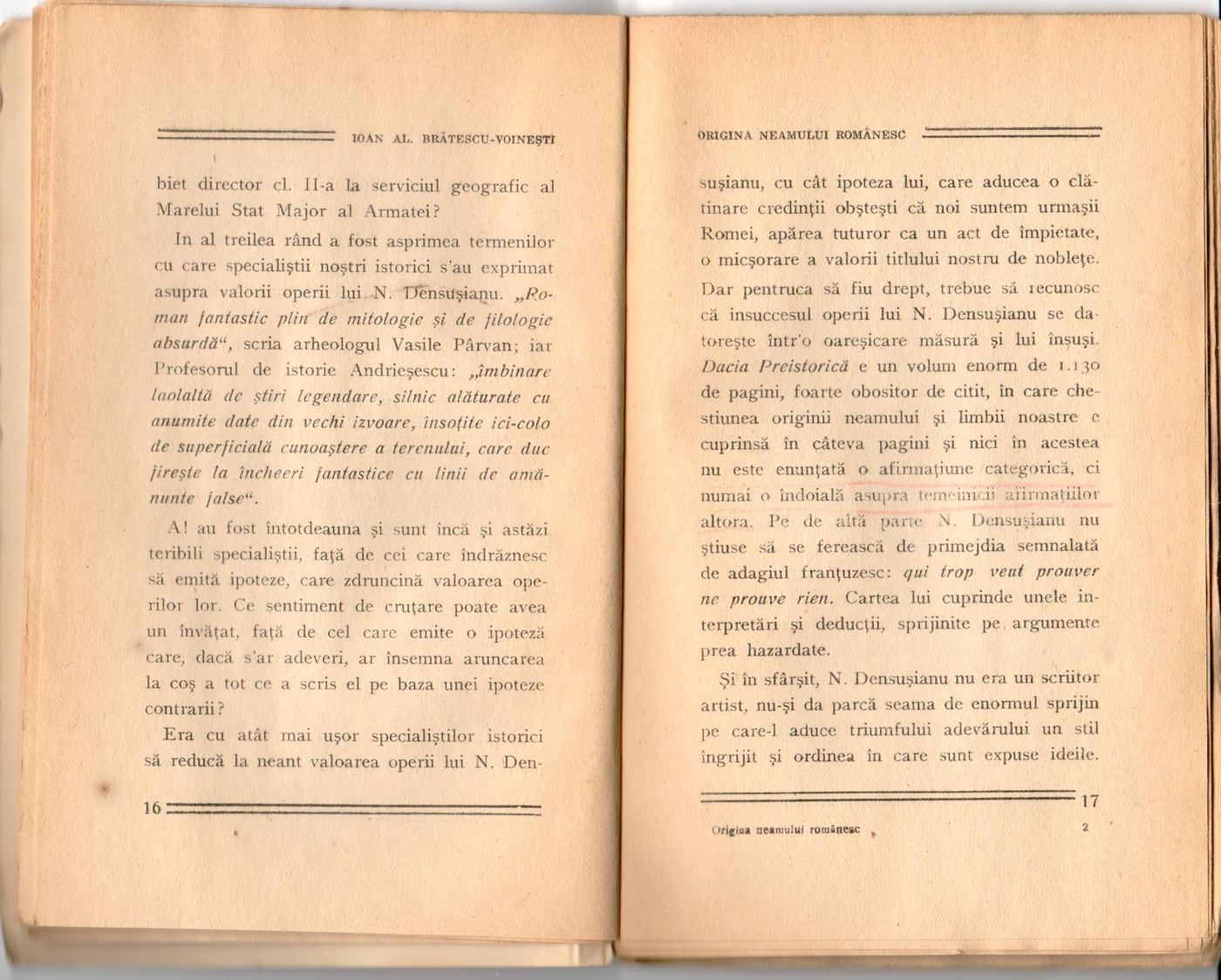
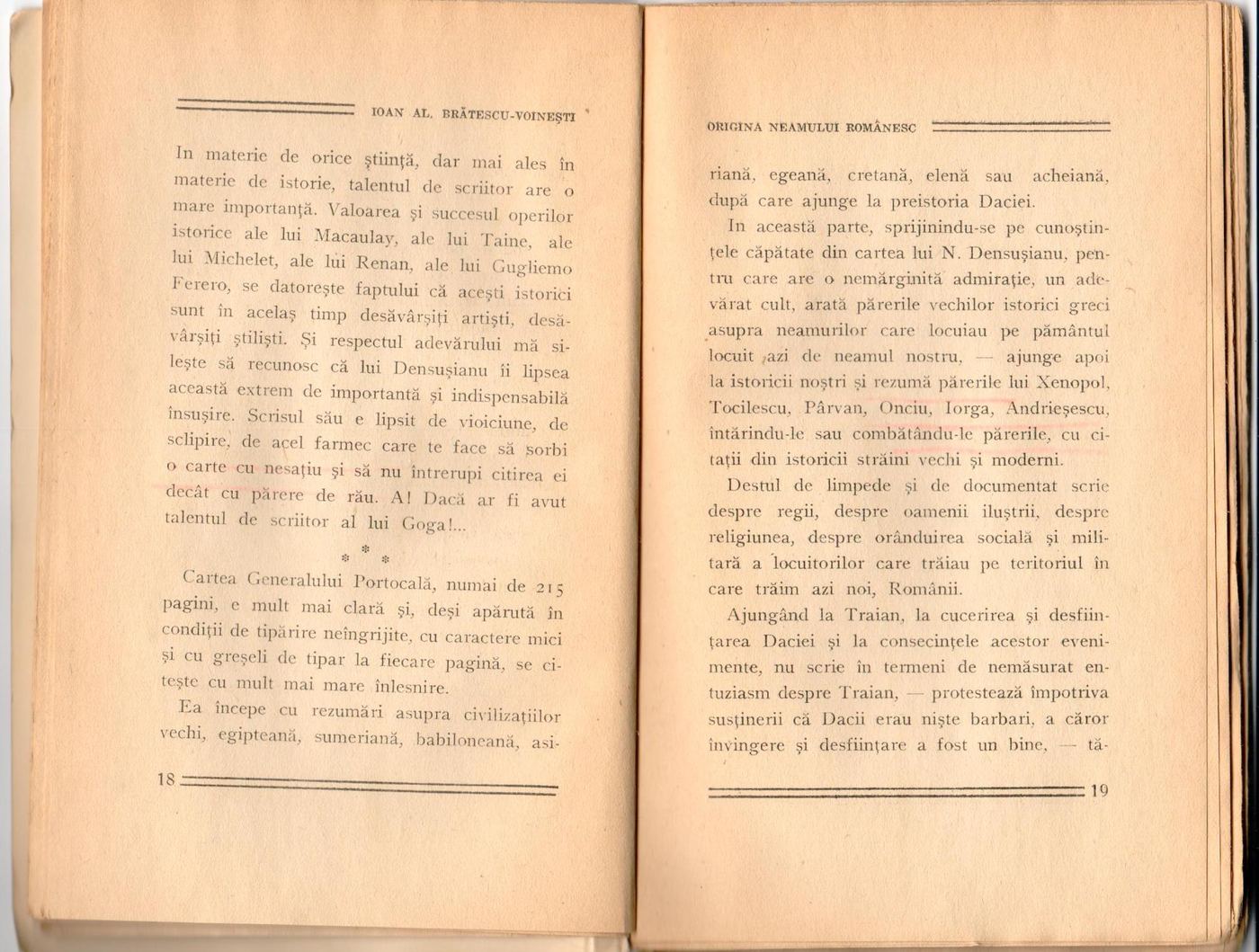
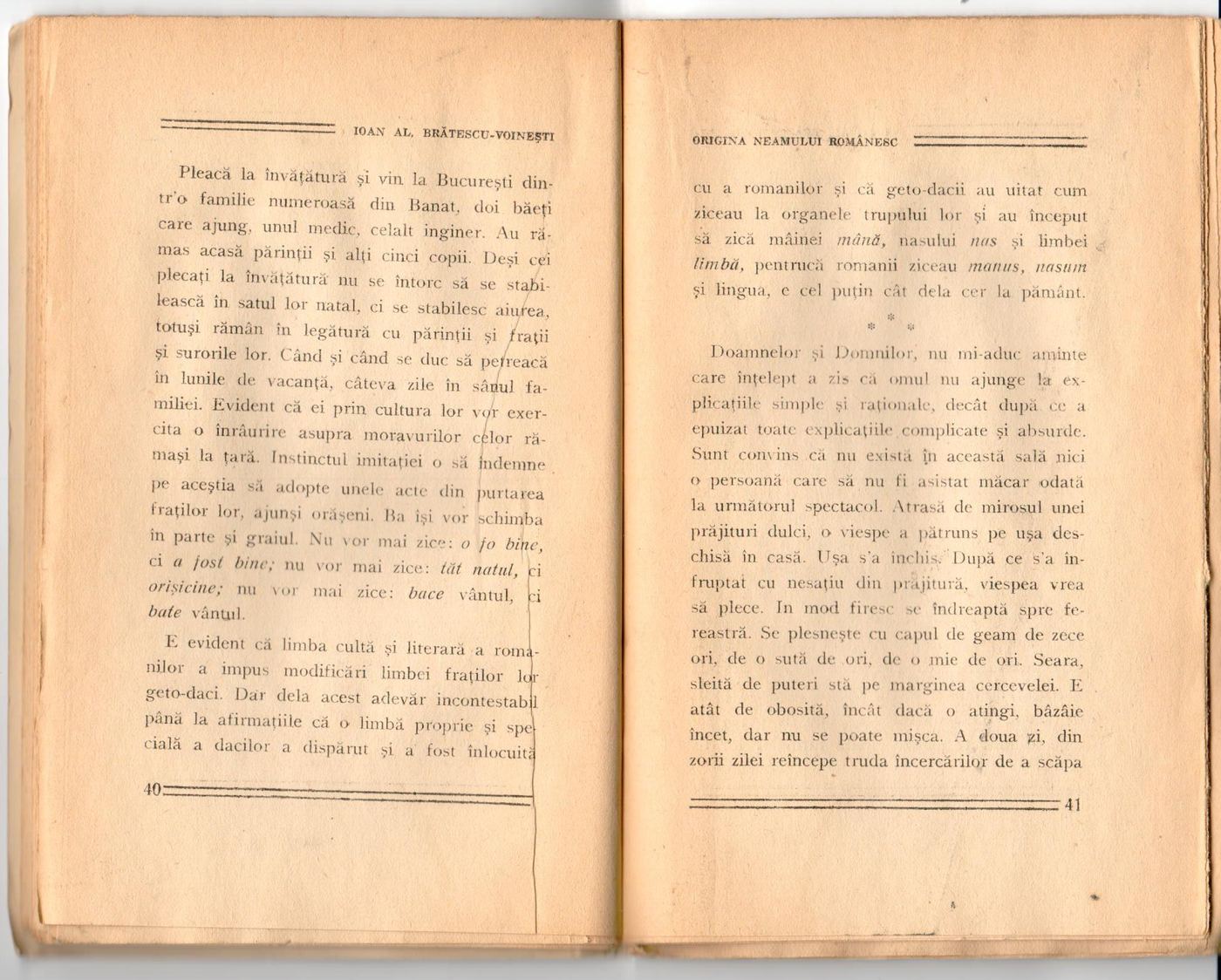
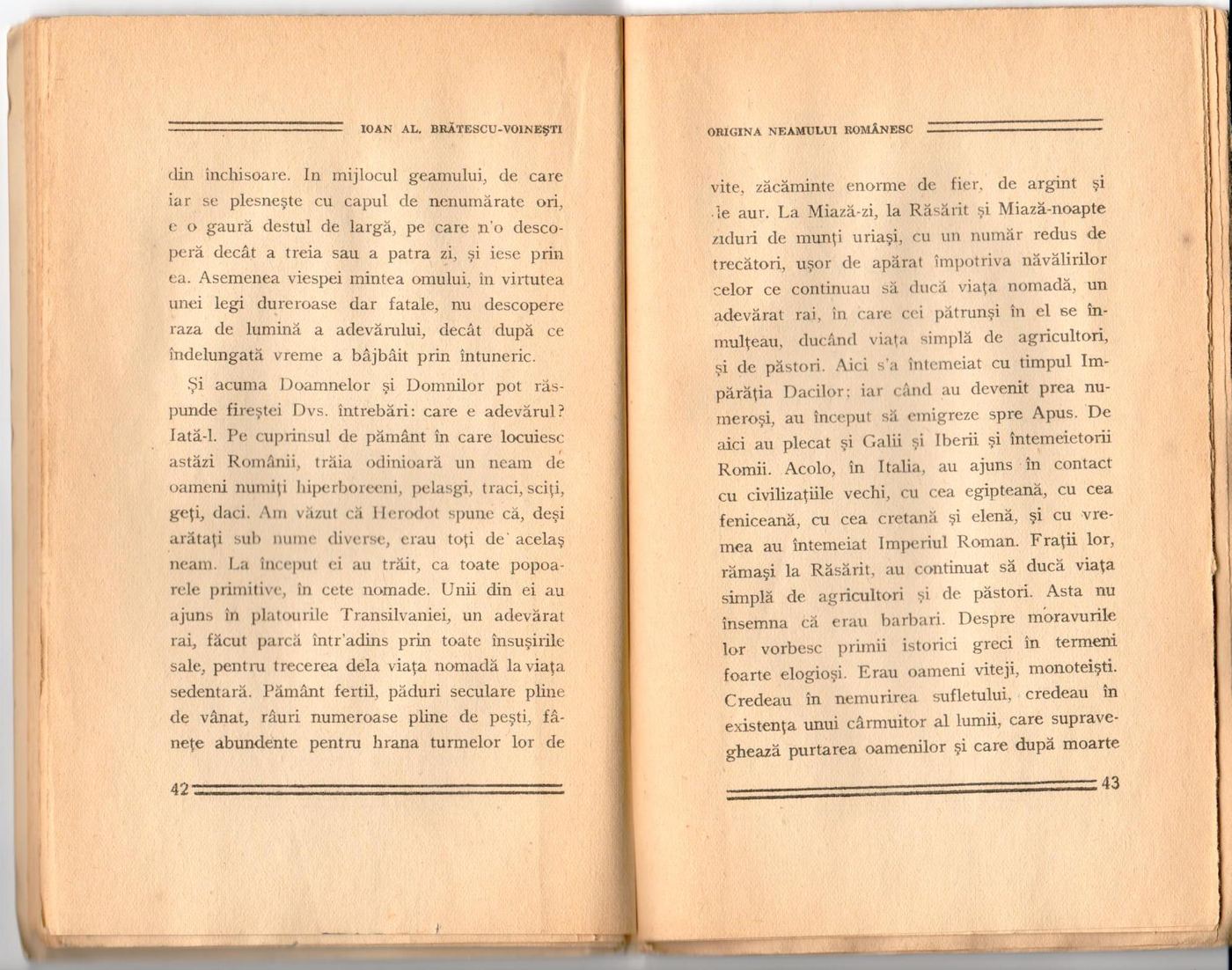
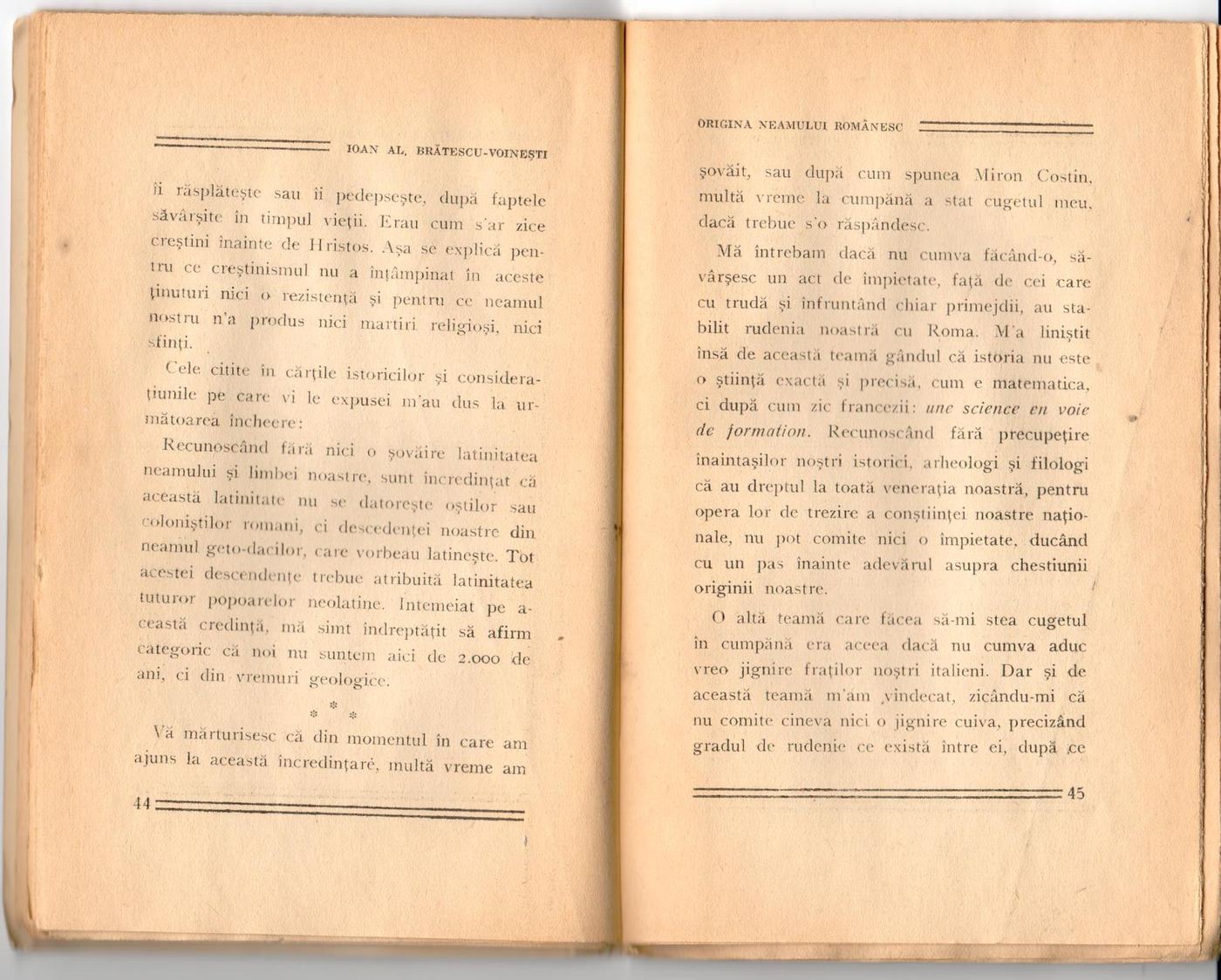
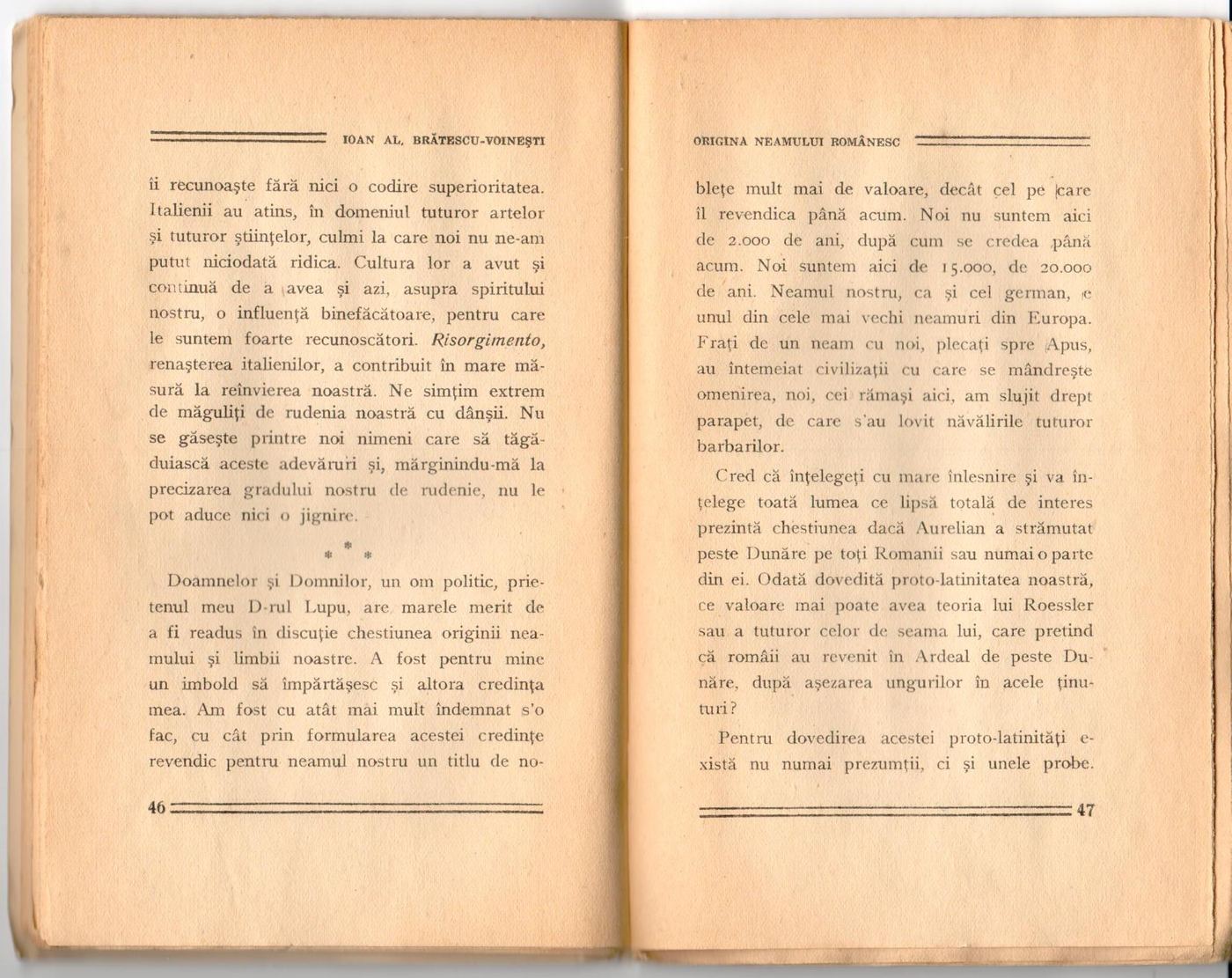
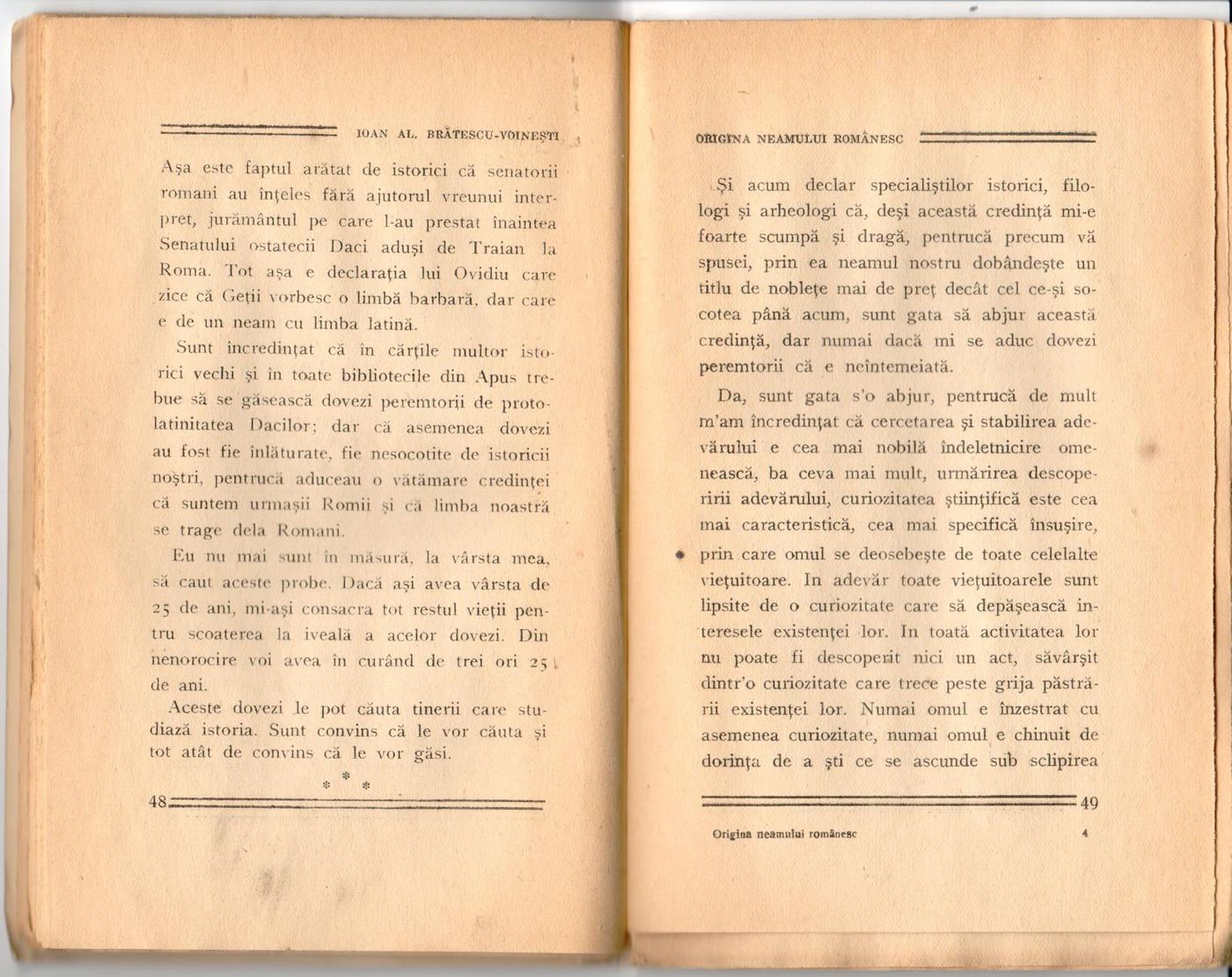
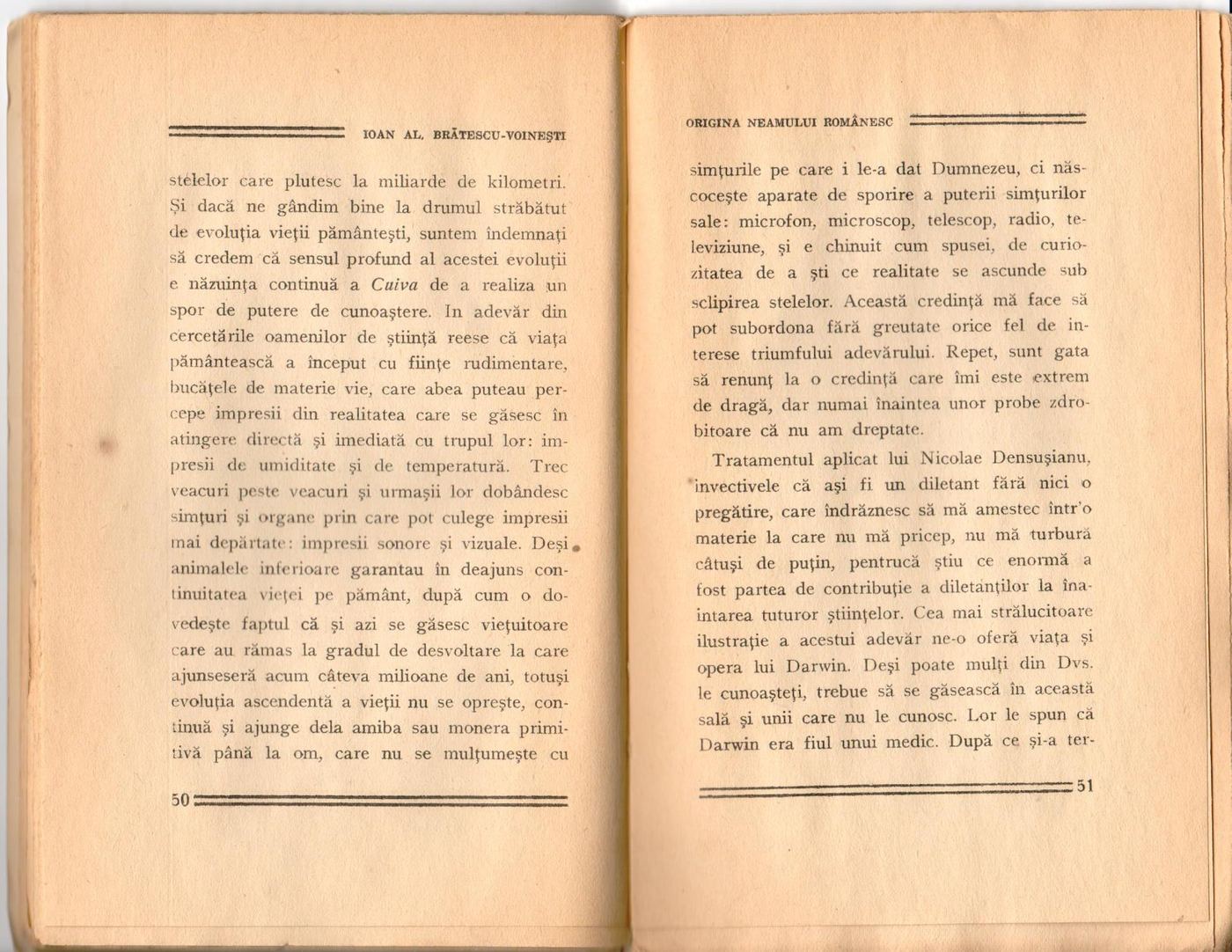
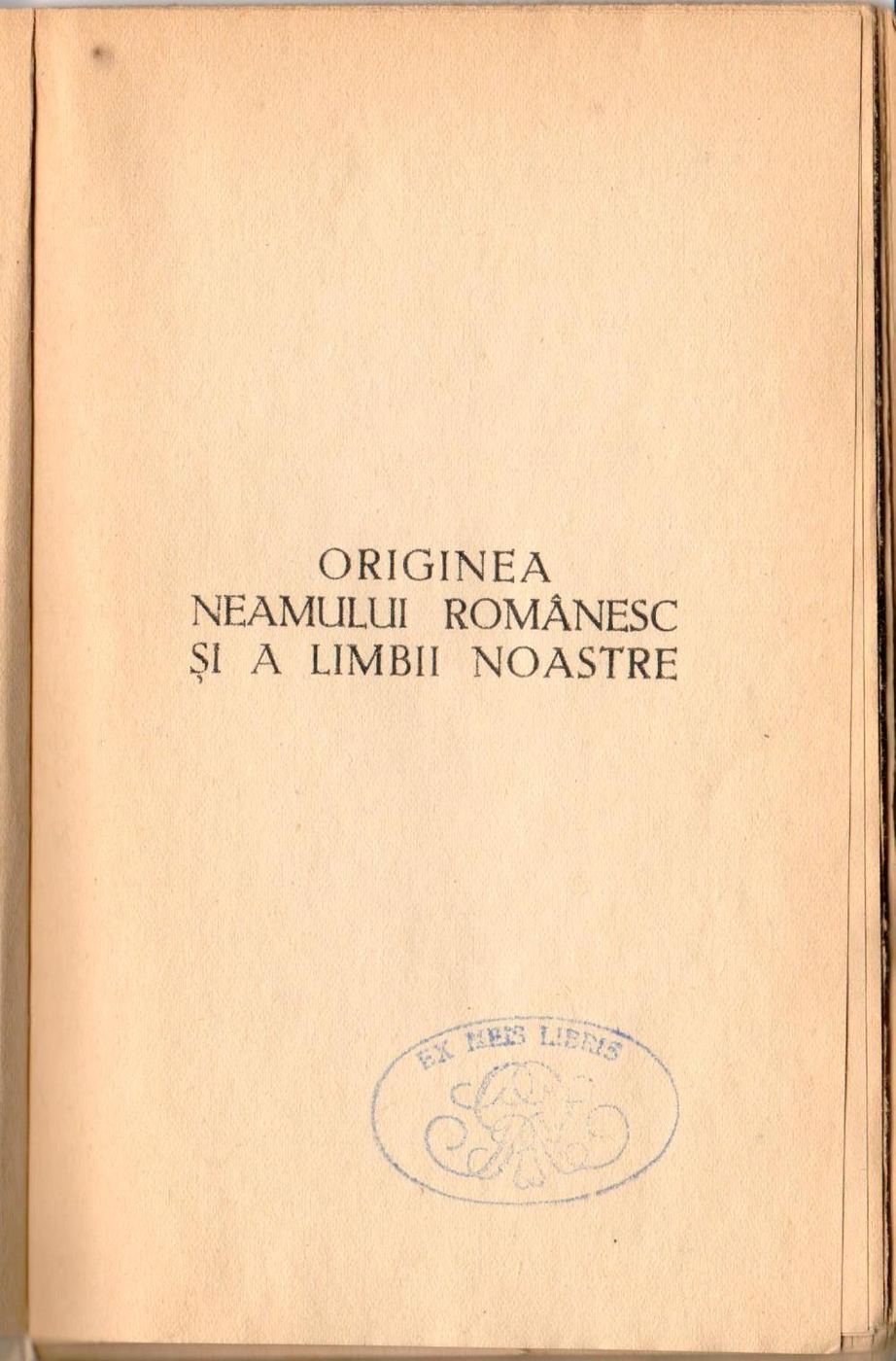
The origin of the Romanian nation and our language
Restoration in full
A book by the forgotten writer Ioan Alexandru
Brătescu-Voinești had also been “ignored” by Wikipedia. I made the correction
rigor.
Brătescu-Voinești had also been “ignored” by Wikipedia. I made the correction
rigor.
The book is a late creation of the writer-magistrate (at
74 years old) thus being above suspicions of partisanship. At that age
We only have the grave in front of us, nothing else.
74 years old) thus being above suspicions of partisanship. At that age
We only have the grave in front of us, nothing else.
According to Wikipedia:
„"Ioan Alexandru Brătescu-Voinești (born January 1, 1868,
Târgoviște – d. December 14, 1946, Bucharest) was a Romanian prose writer, famous
for his stories, originally written for his children.
Târgoviște – d. December 14, 1946, Bucharest) was a Romanian prose writer, famous
for his stories, originally written for his children.
Biography
Ioan Alexandru Brătescu-Voinești was born in Târgoviște,
on January 1, 1868, as a descendant of a boyar family. The hero of the short story
„"The Udrești people" is an ancestor of the writer. He graduated from high school and
University of Bucharest. He was a judge in Bucharest, Ploiești, Pitești,
Craiova and Târgoviște, where in 1896 he settled permanently. He enters the life
politics and was present until 1940 in all parliamentary legislatures: a
former Secretary General of the Chamber of Deputies (1914-1940). He was a member of
of the Romanian Academy in 1918. In 1945 he won the National Prize for
Prose. After 1937 he slipped into pro-fascist attitudes, theorized in pamphlets
programmatic: Hooliganism (1938), Germanophobia (1940).
He made his literary debut under the guidance of Titu Maiorescu,
who was his teacher. His first volume, the collection "Short Stories and Sketches", was published
in 1903. It was followed in 1906 by "In the World of Justice", and in 1912, "Darkness and
light". During the years of the First World War he wrote, in collaboration with A. de Herz
(1887-1936), a play called "Sorana". During the interwar period of
published less prose.
He is especially known for his writings for children:
„"The Chick" (the tragic death of a quail chick), "The Nightingale", "The Poor
Trick", "Niculăiță Minciună" (a clever country child misunderstood by the villagers)
saddle.
„"The Chick" (the tragic death of a quail chick), "The Nightingale", "The Poor
Trick", "Niculăiță Minciună" (a clever country child misunderstood by the villagers)
saddle.
He passed away in 1946, on December 14, at
Bucharest.
Bucharest.
Opera
Antum
Short Stories and Sketches, 1903
In the world of justice, 1906
Darkness and Light, 1912
Crumbs, 1929
With the fishing rod, 1933
From the Threshold of Sunset, 1935
The origin of the Romanian nation and our language
reissue
Niculăiță Minciuna, HERRA Publishing House, 2006, ISBN 973-7923-65-0
In the world of justice. Darkness and light, Gramar Publishing House,
2007
2007
Selected Pages, Stefan Publishing House, 2007
Wandering, Semne Publishing House, 2009
Short stories and sketches, Donaris Publishing House, 2009
Radio theater
Over time, the Romanian Broadcasting Society has
dramatized some of his writings for the show "Radio Theatre": The traveler is well on his way, In the world
justice and an anti-aircraft regiment.”
dramatized some of his writings for the show "Radio Theatre": The traveler is well on his way, In the world
justice and an anti-aircraft regiment.”
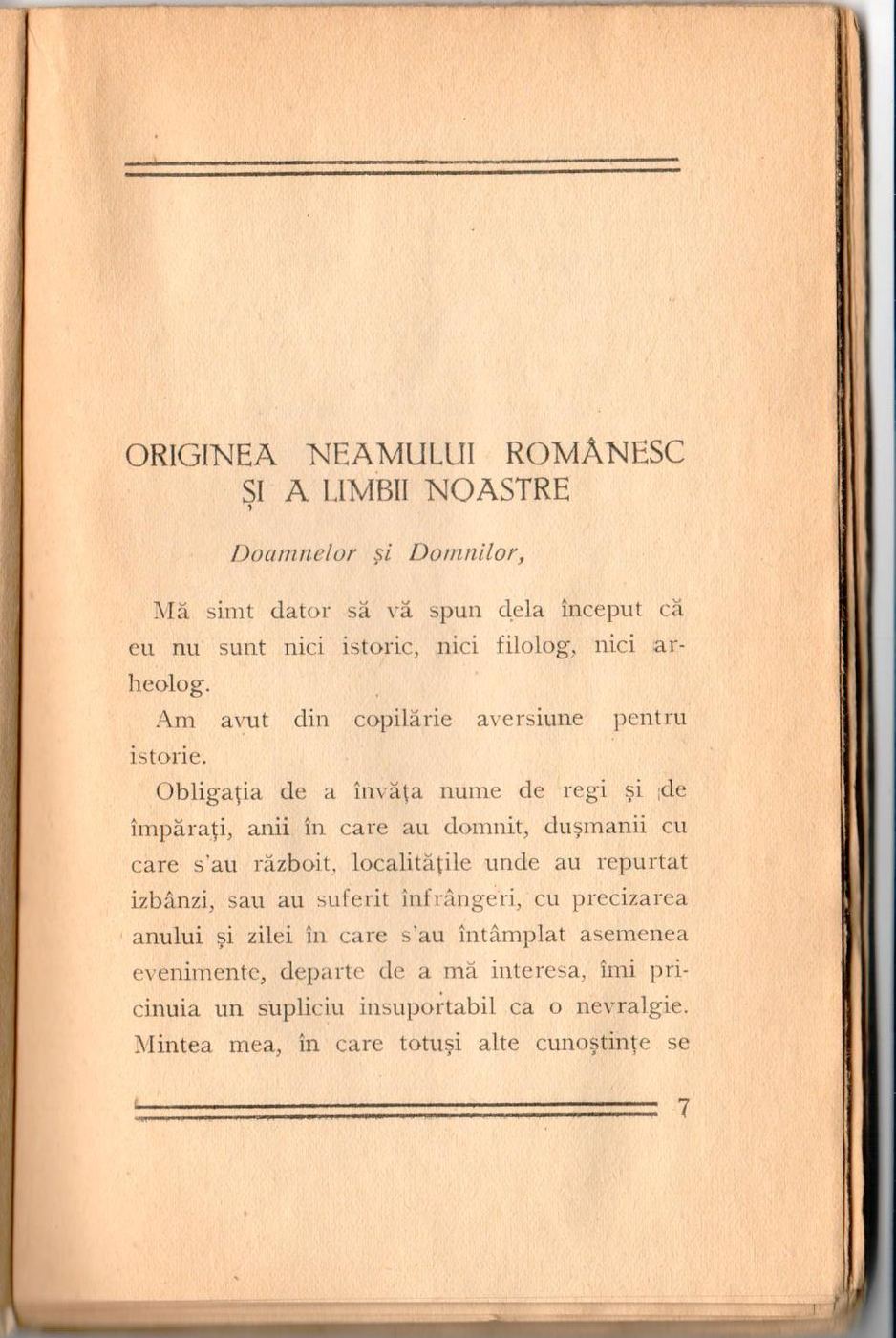
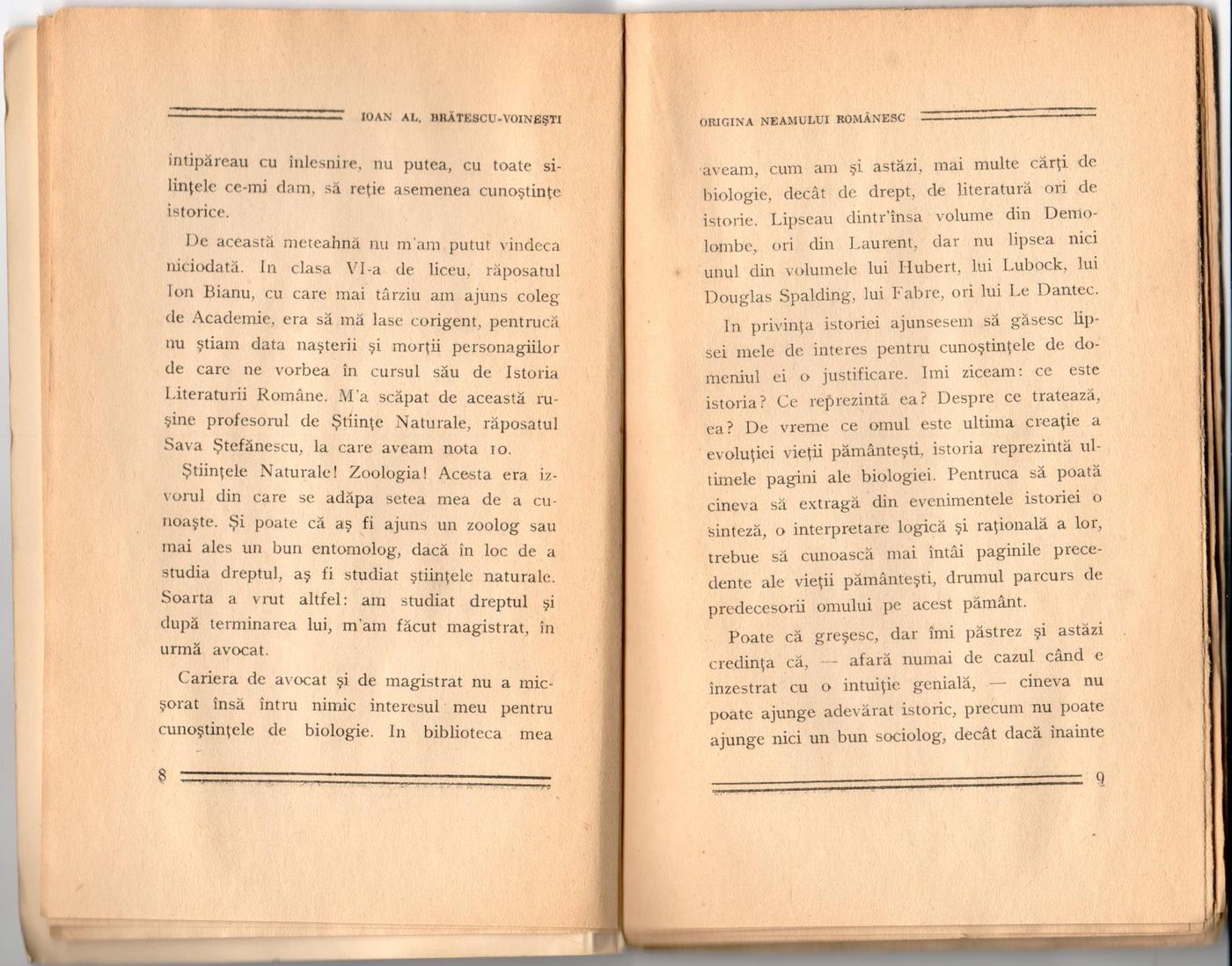
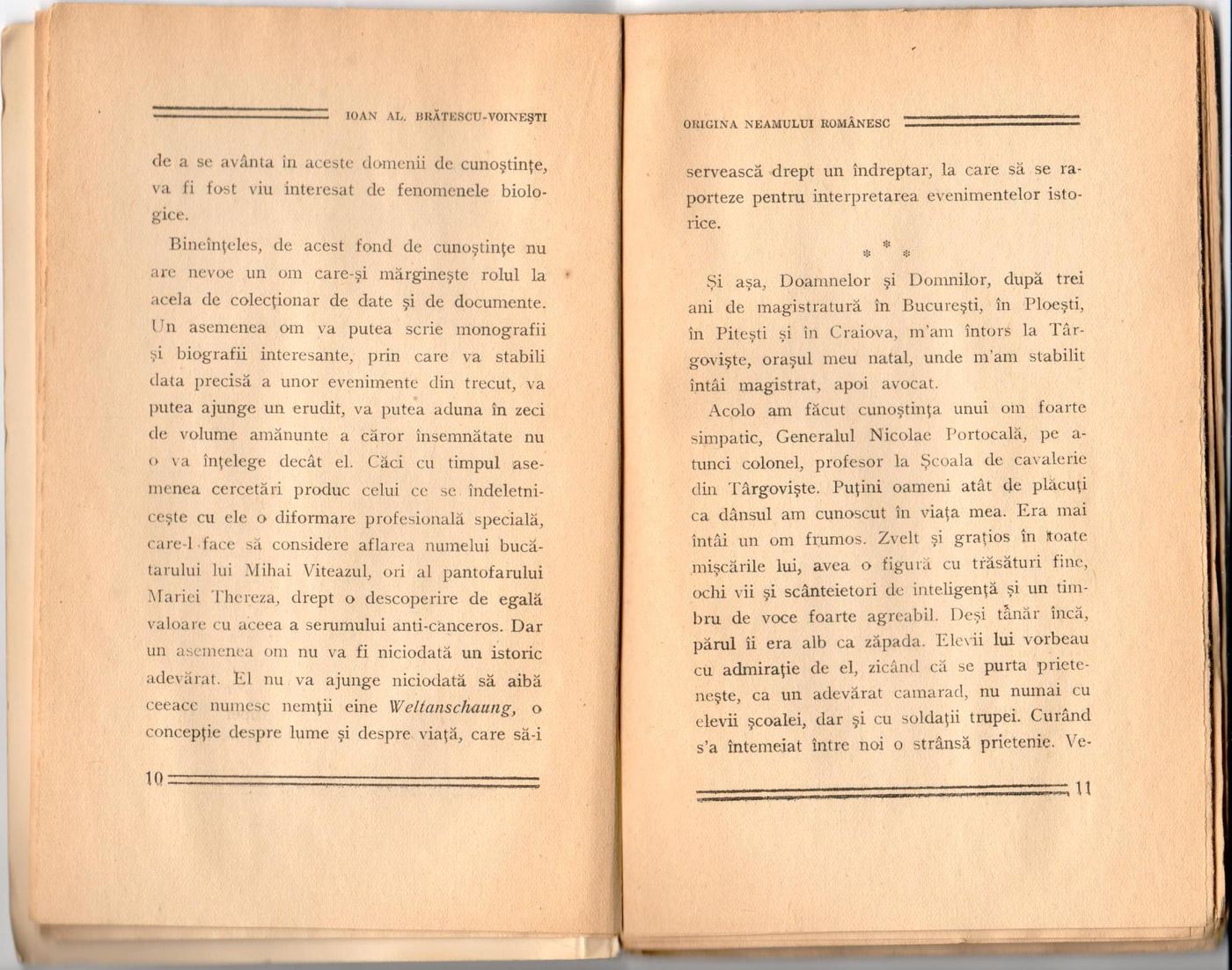
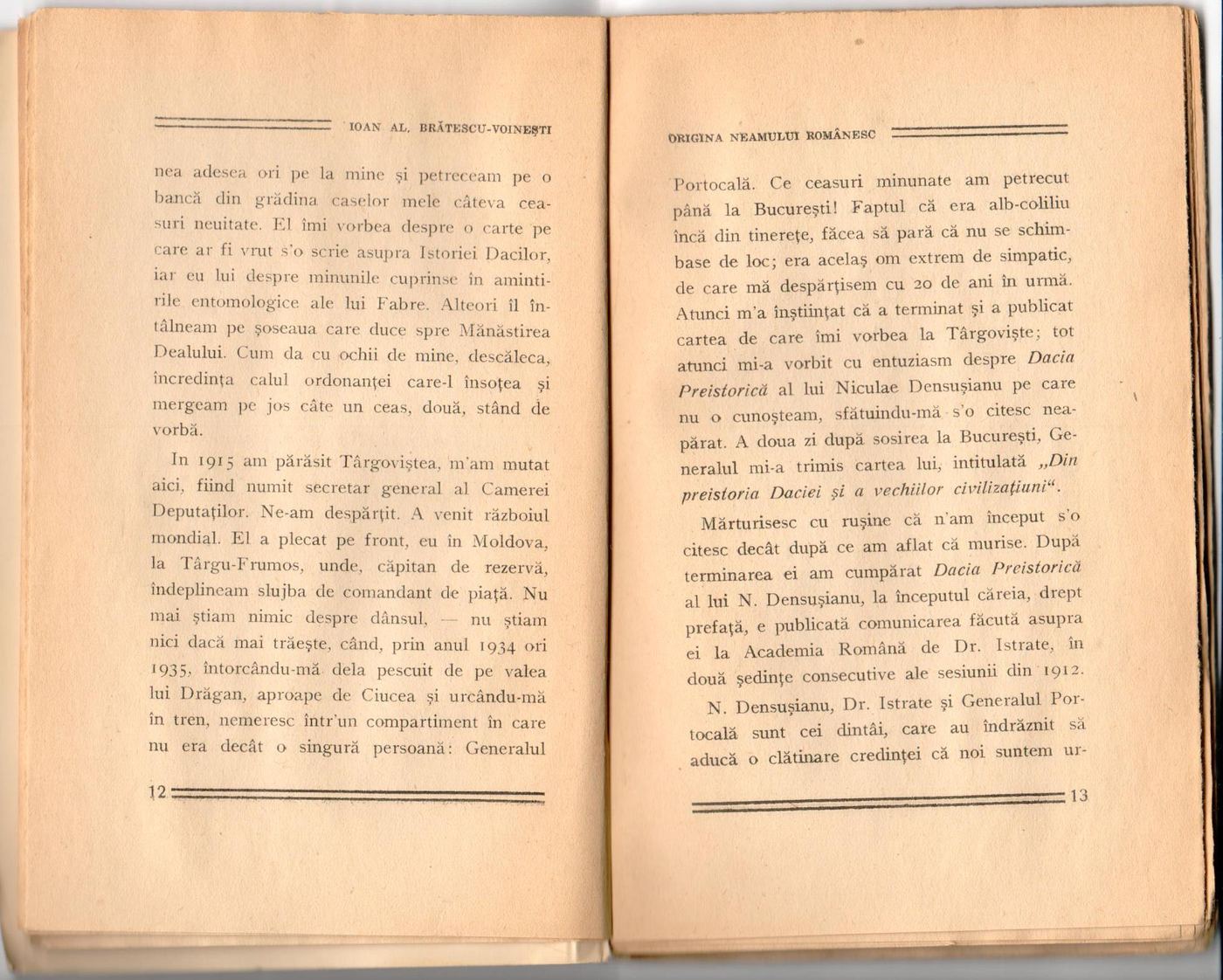
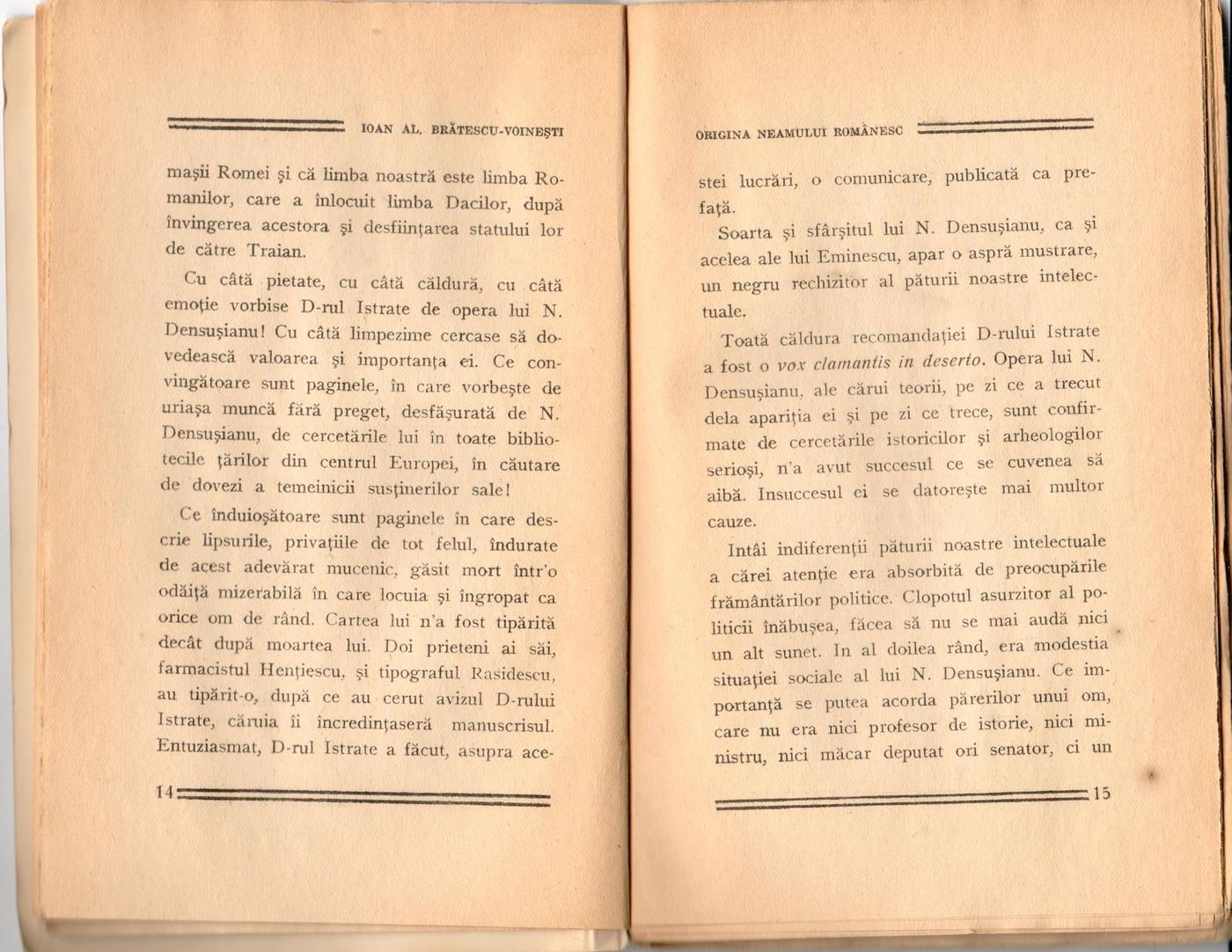
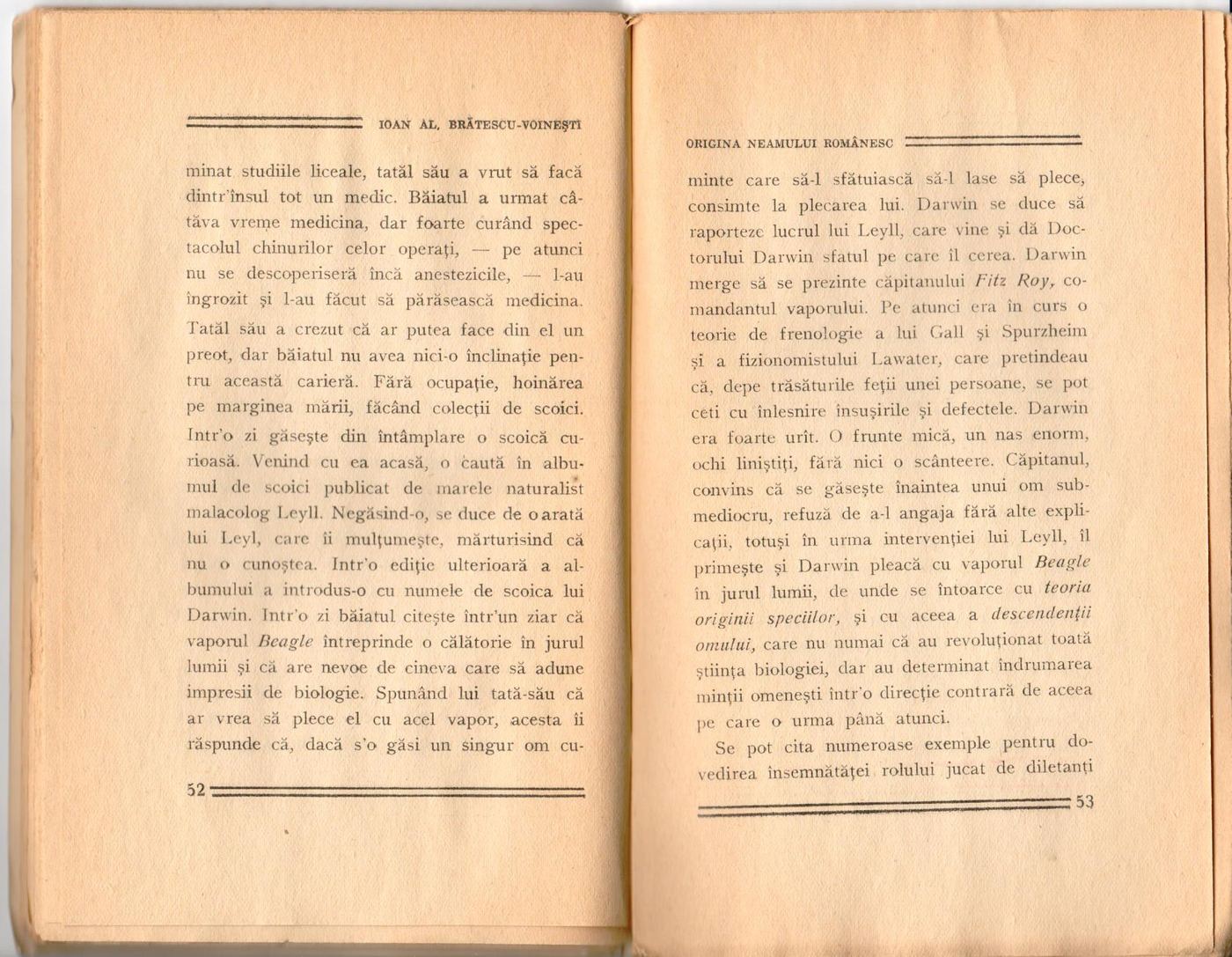
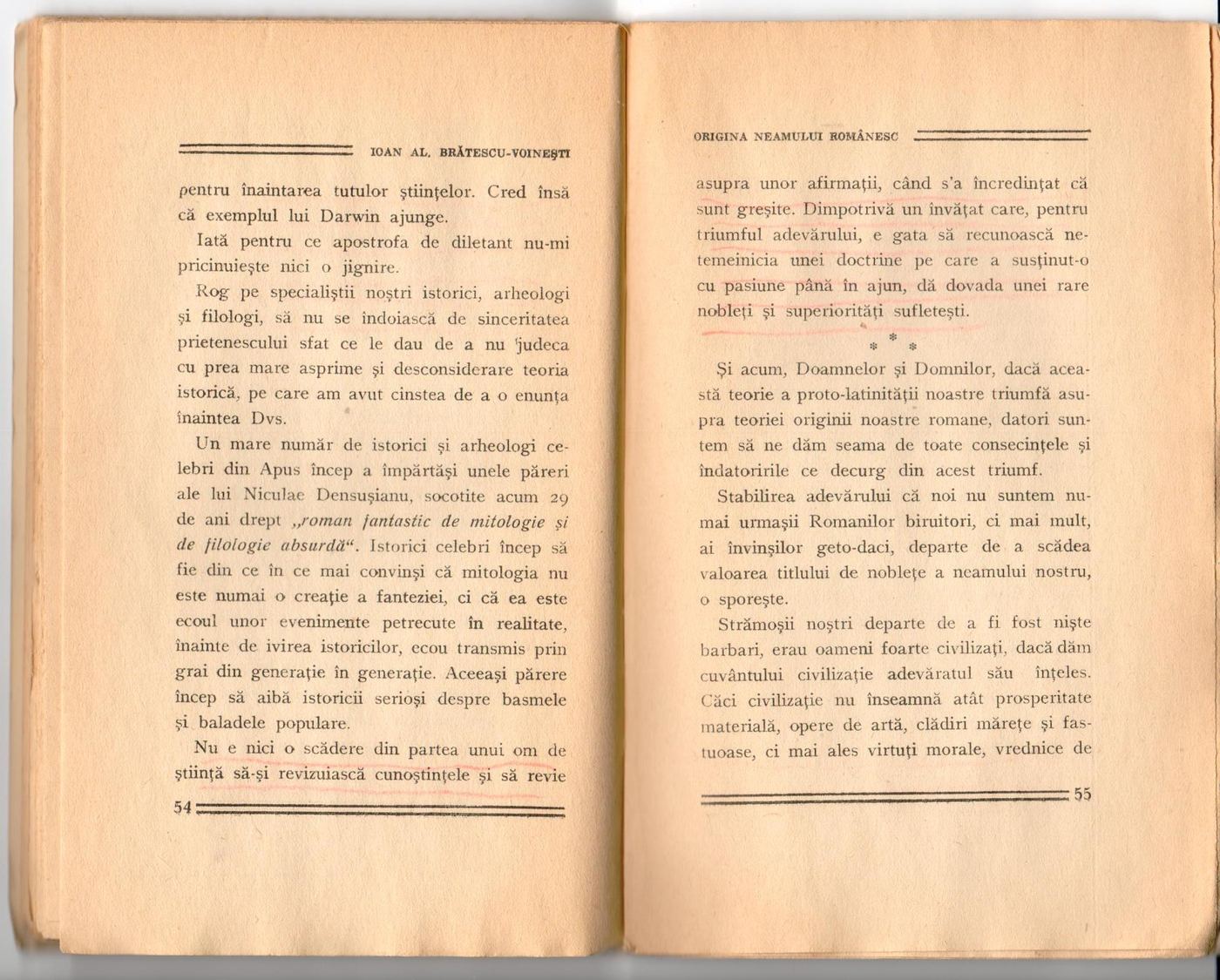
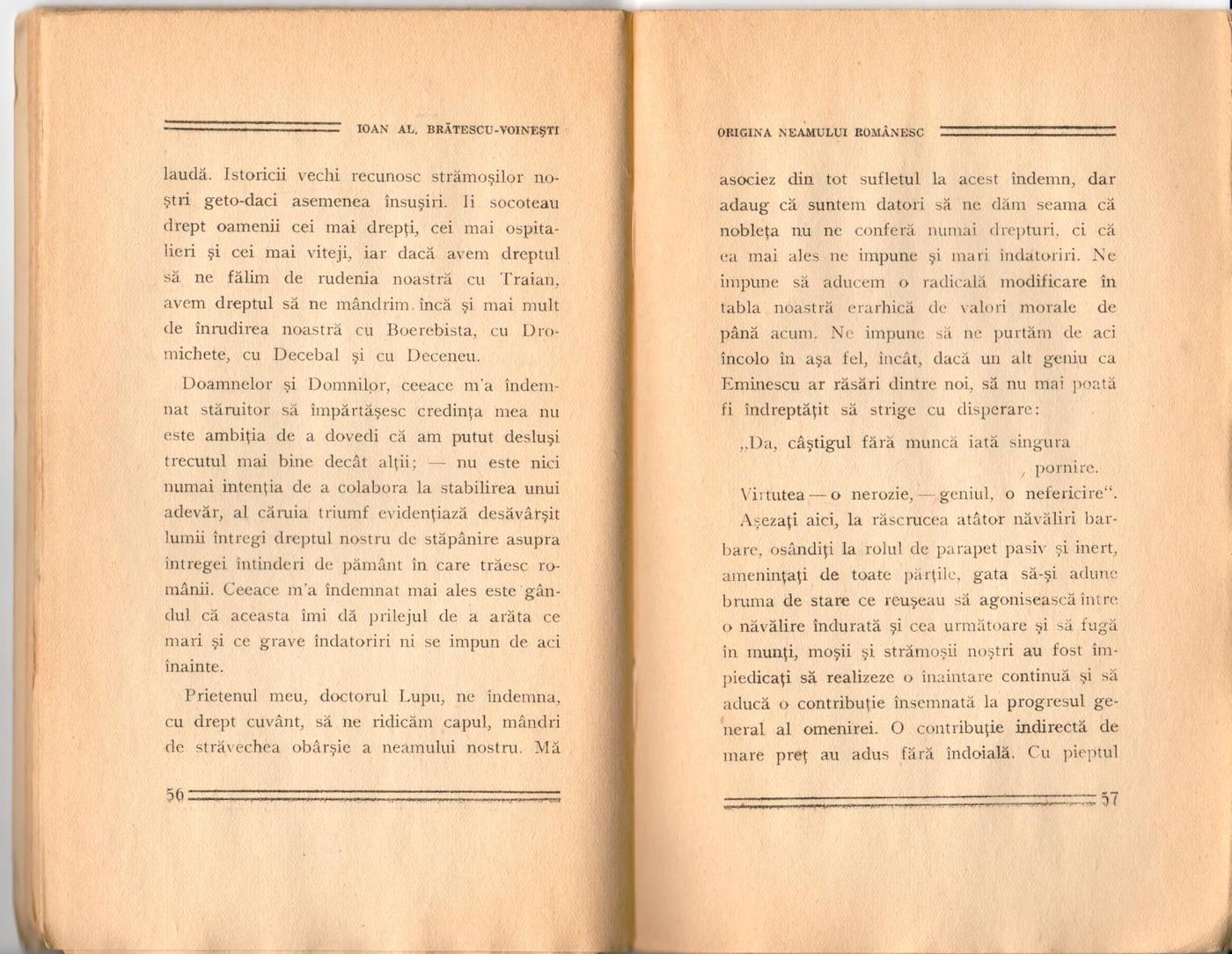
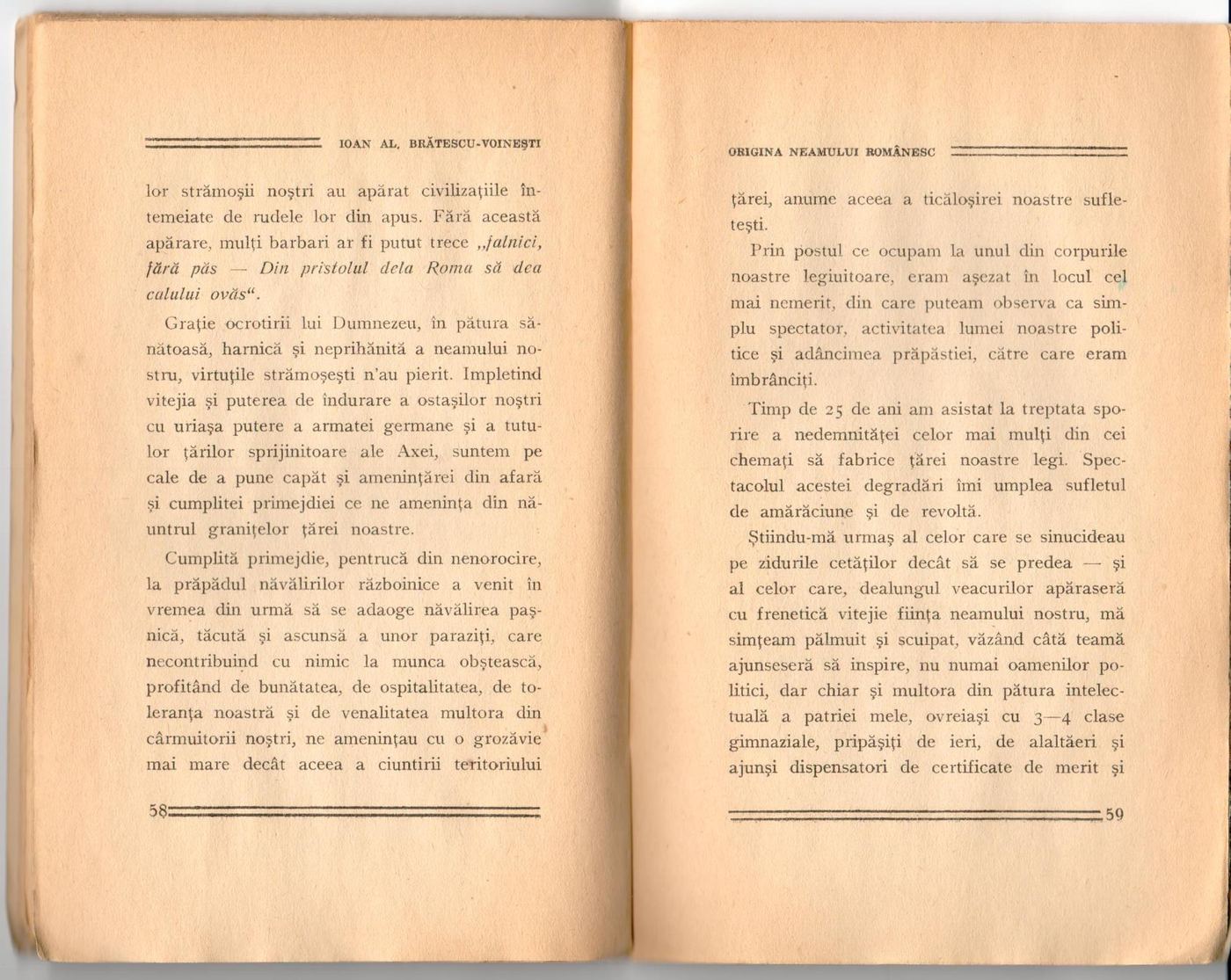
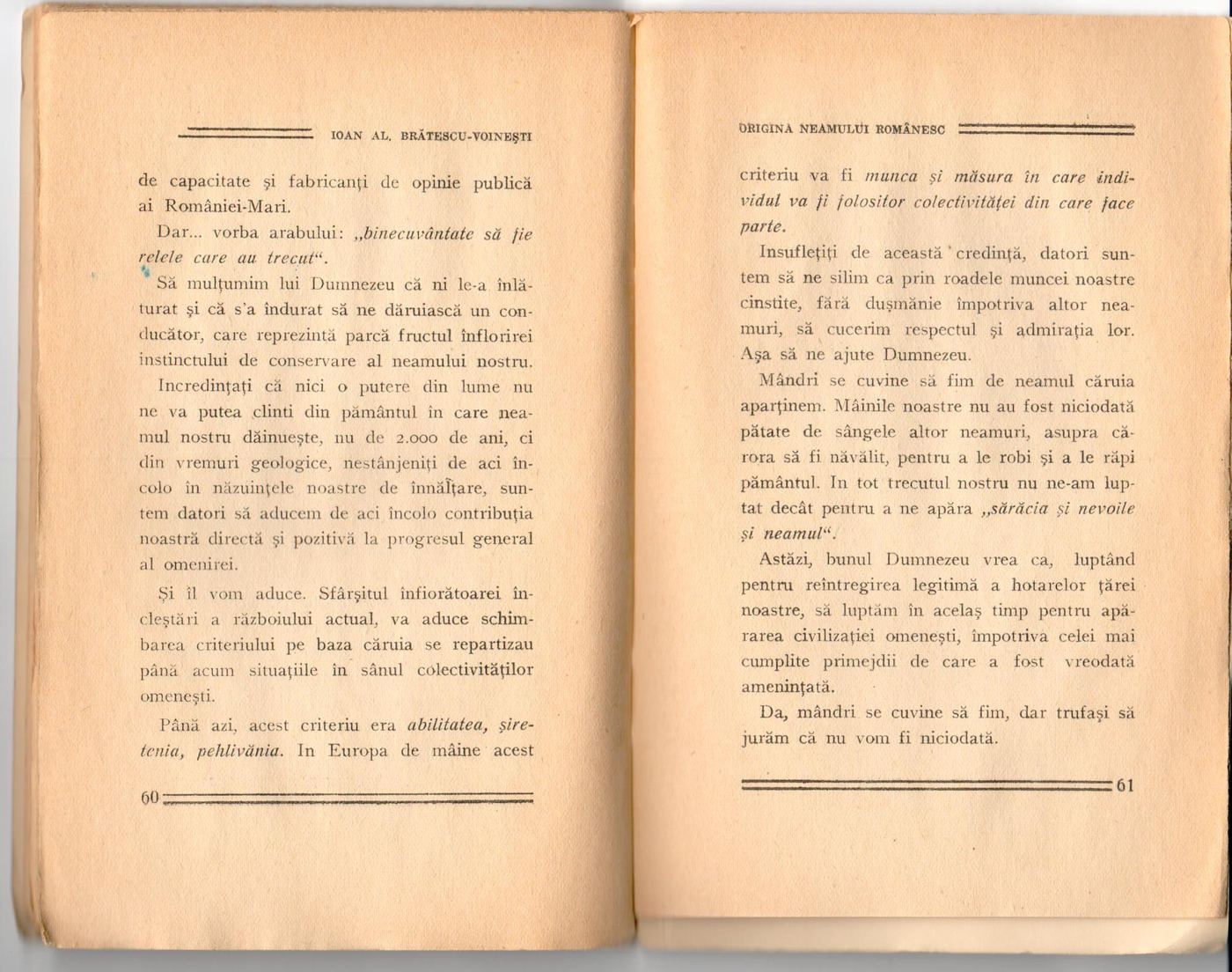
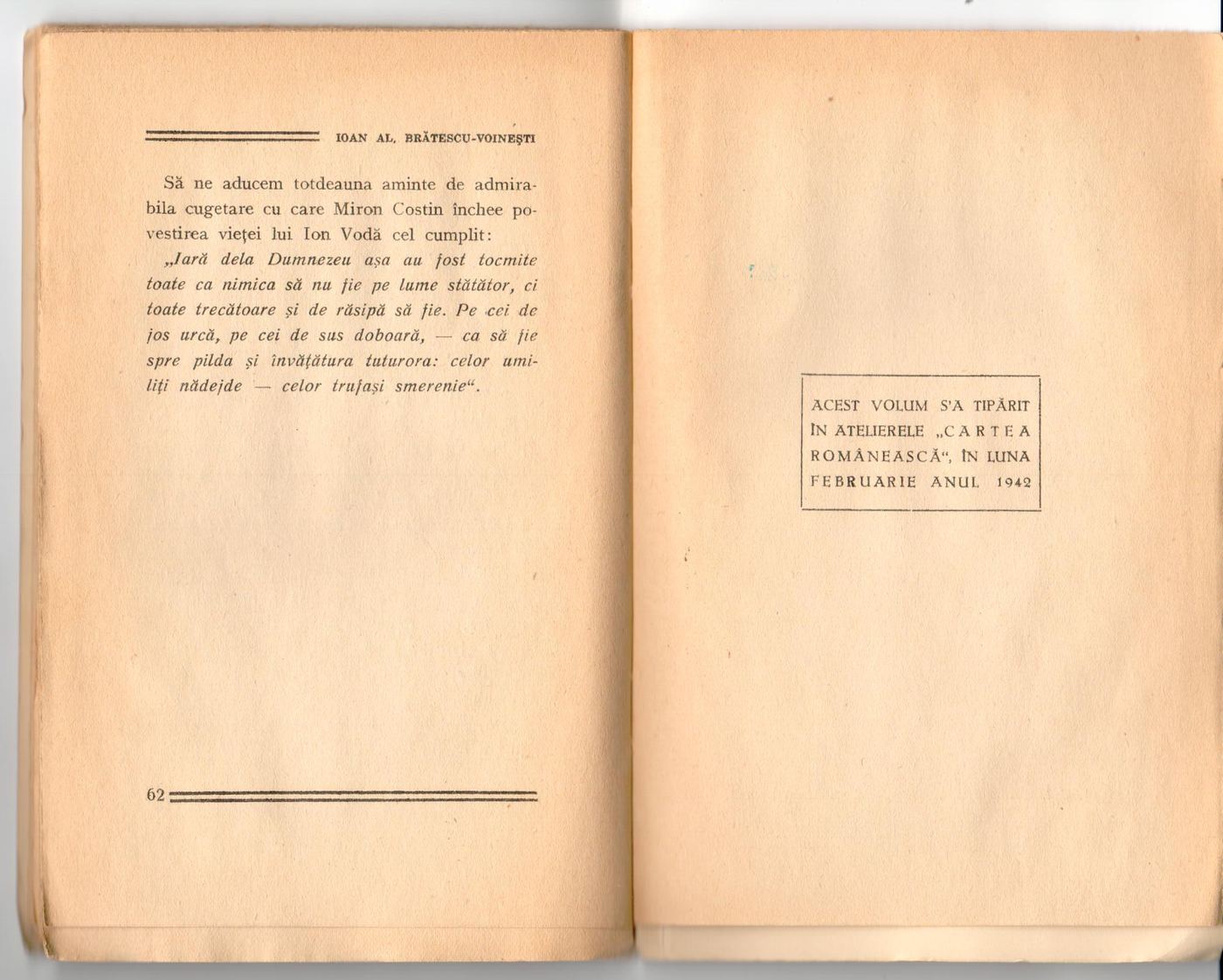
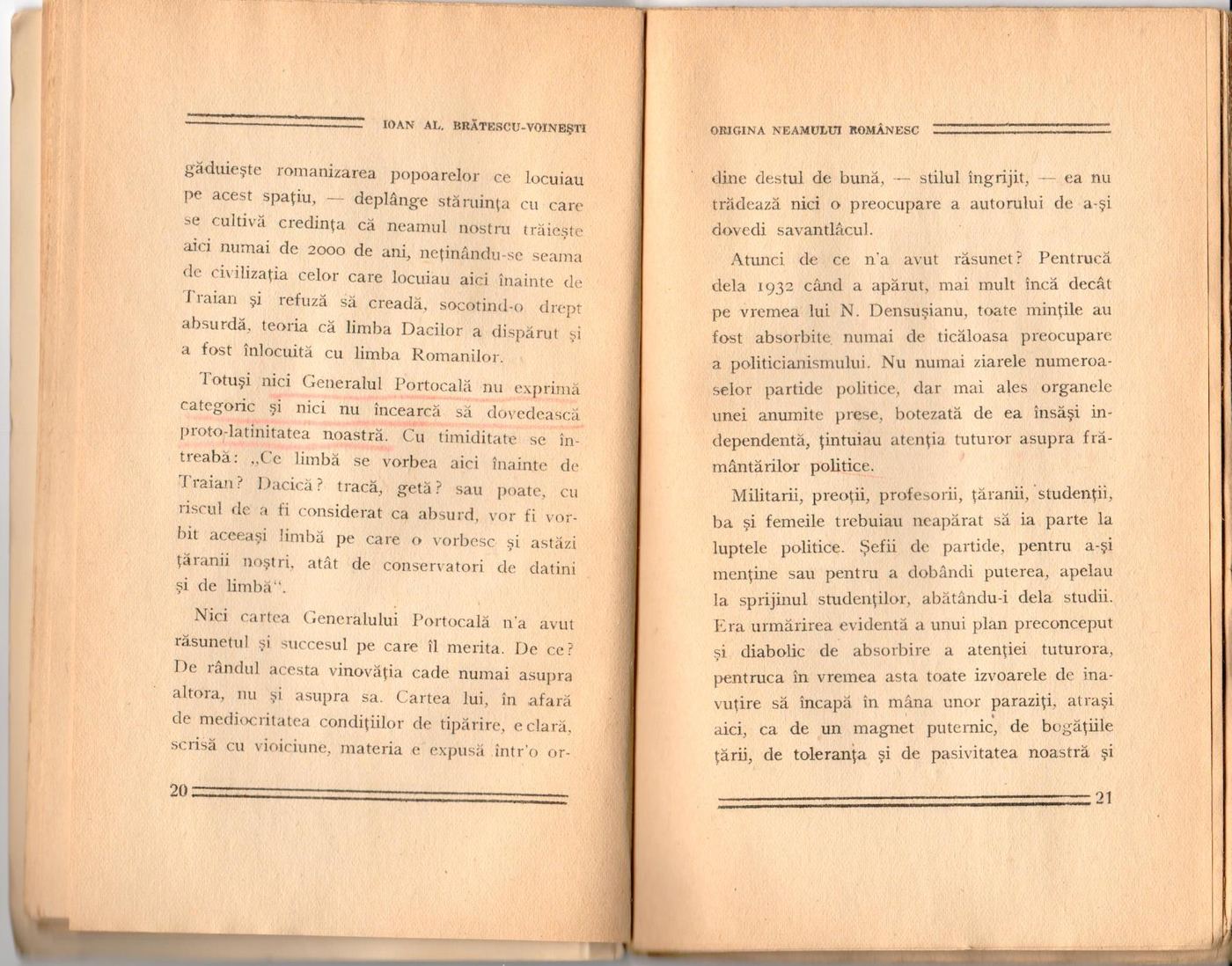
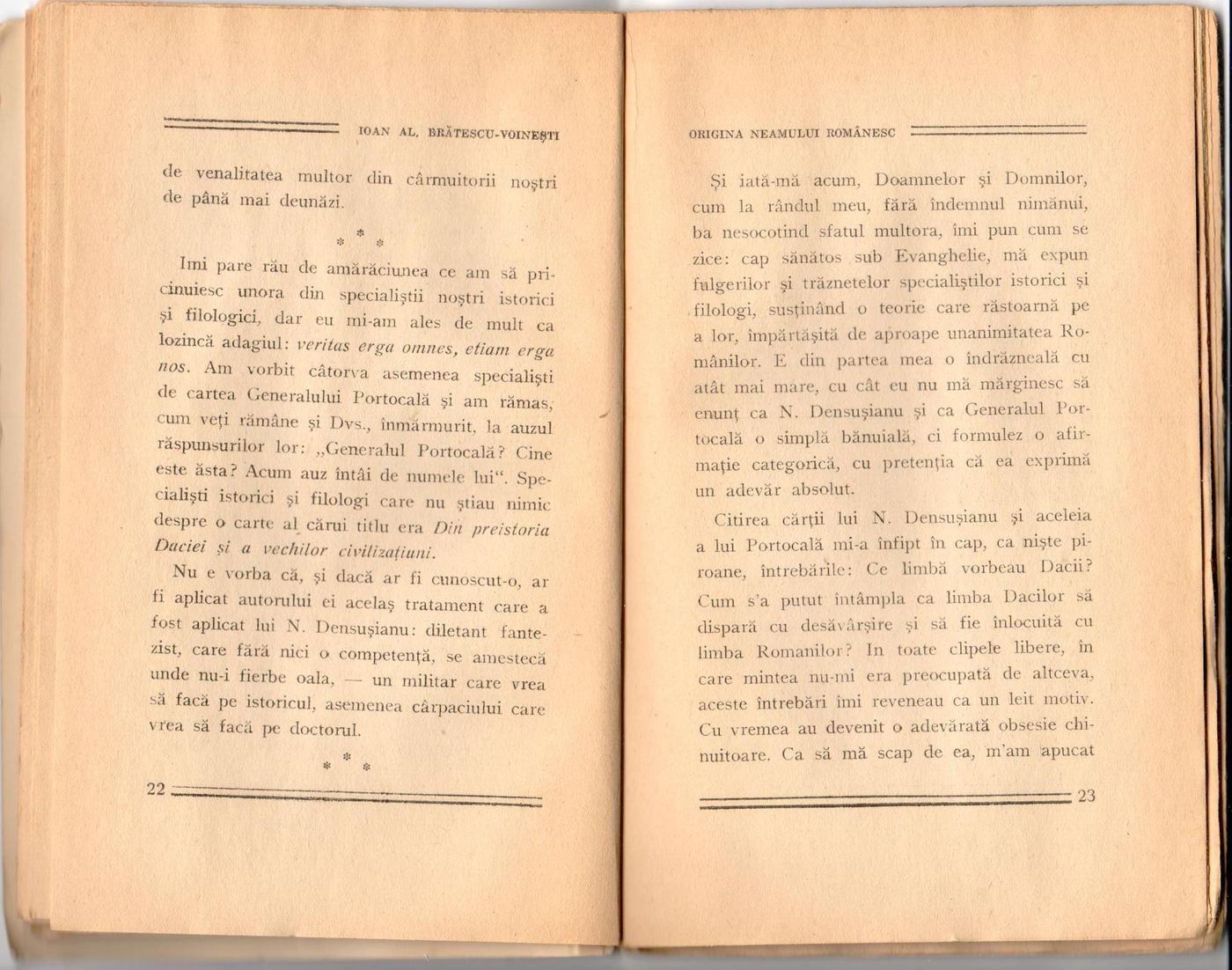
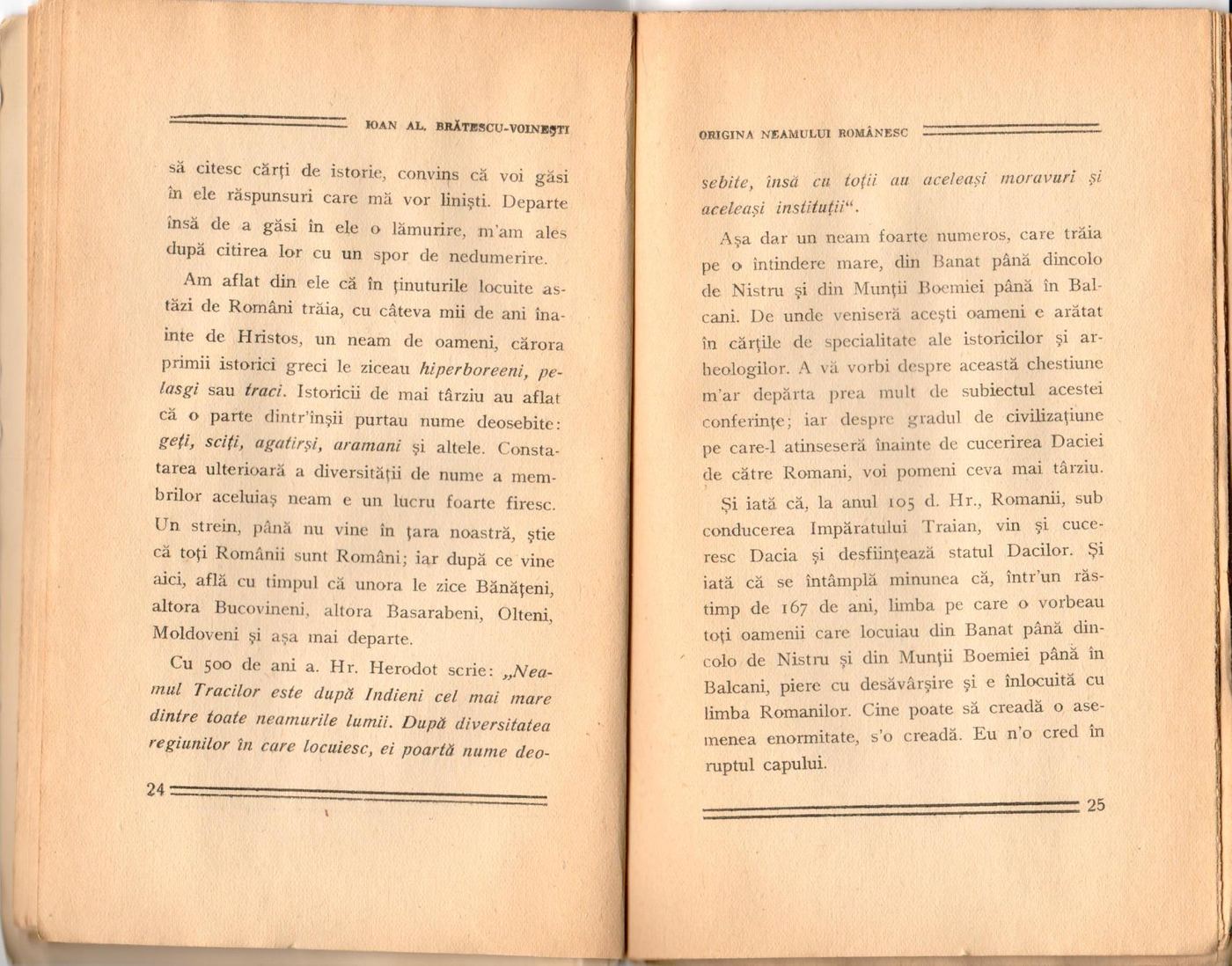
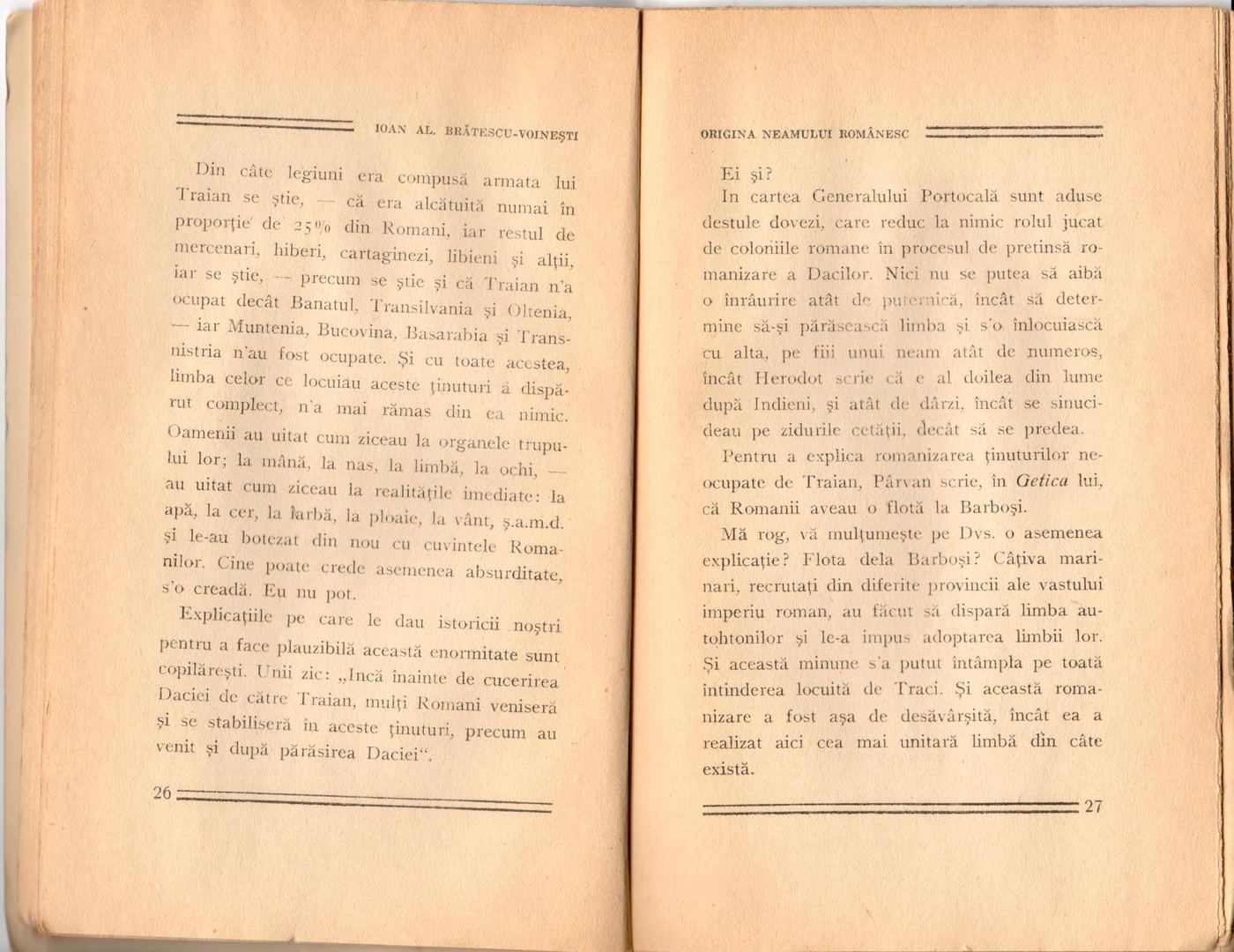
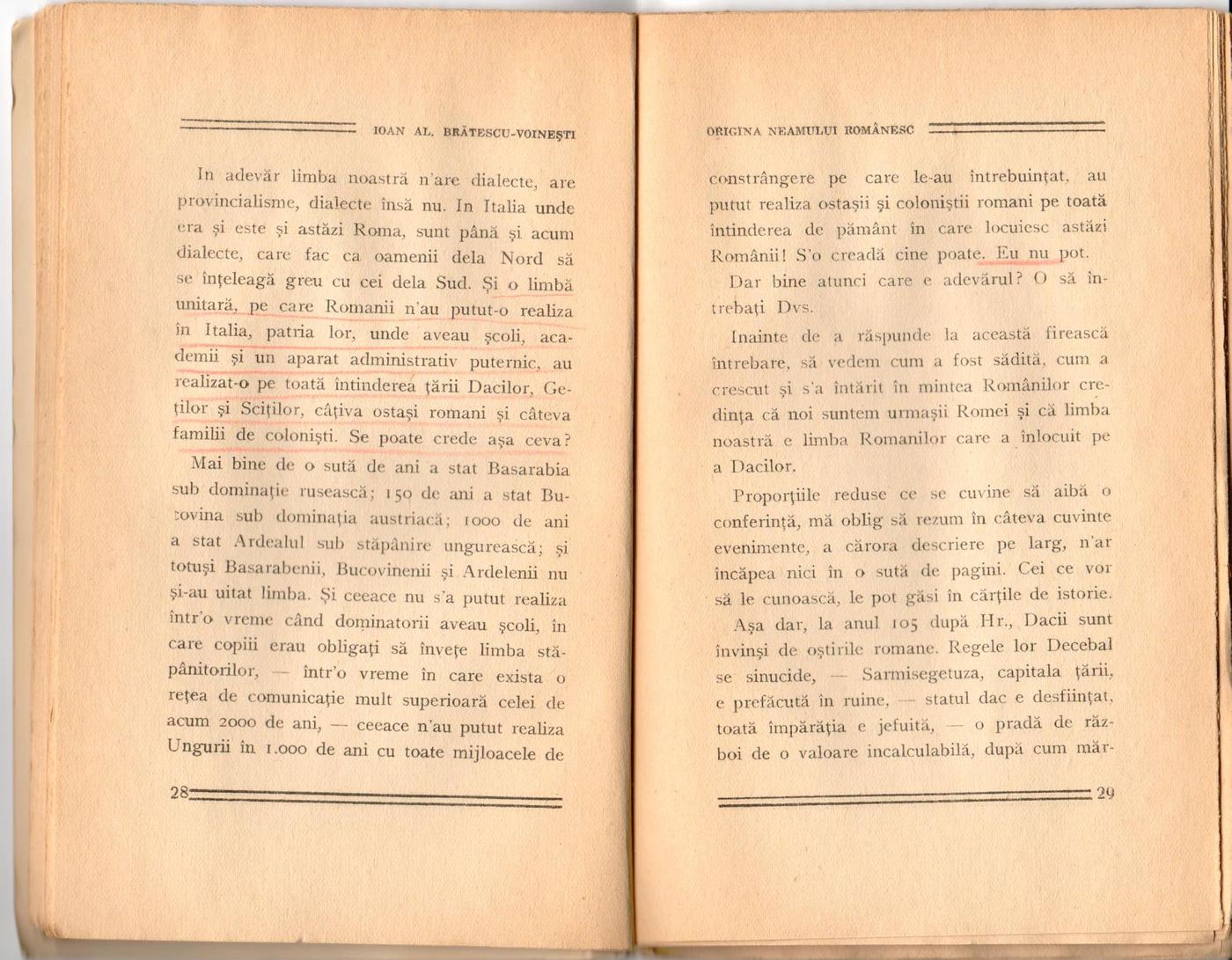
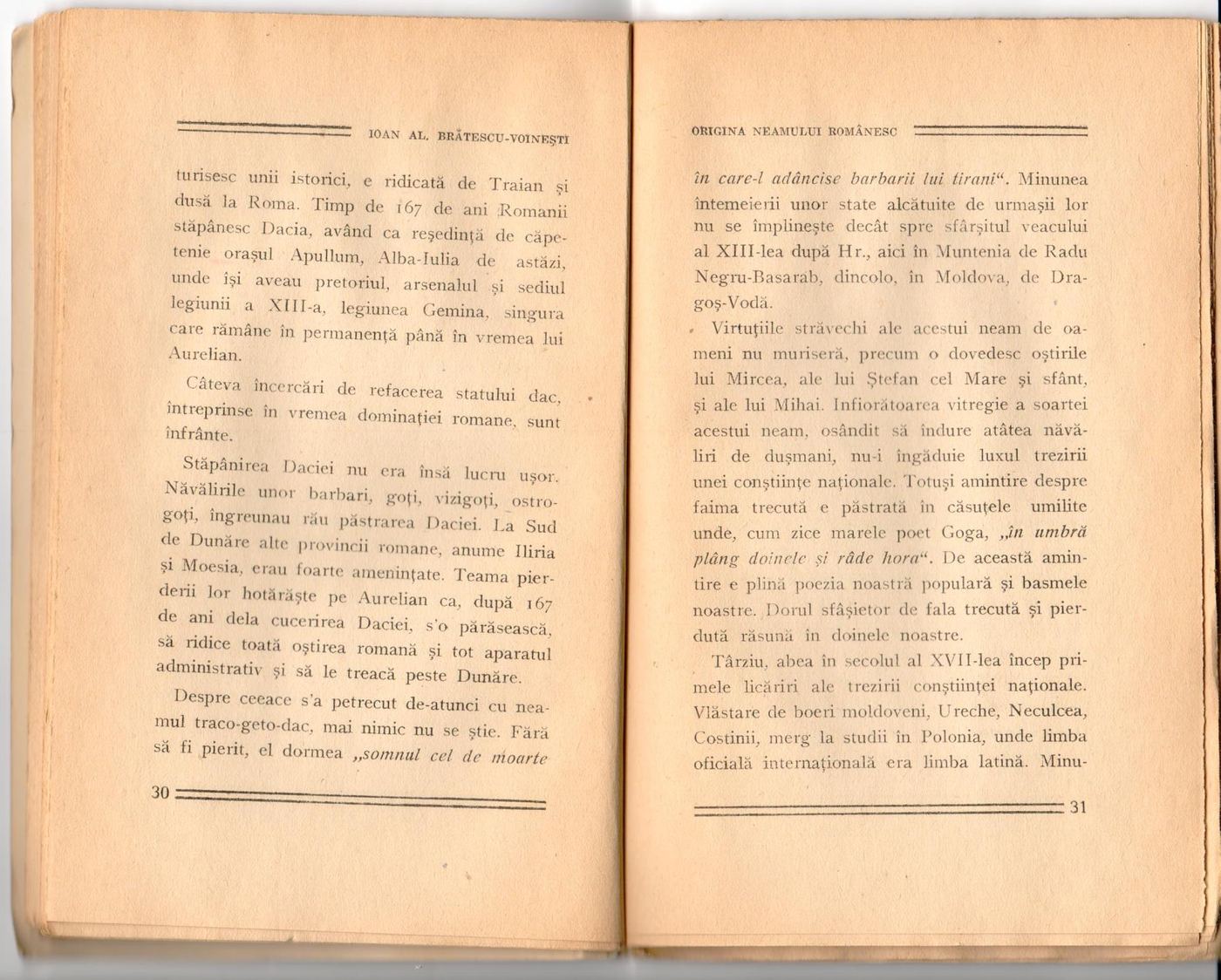
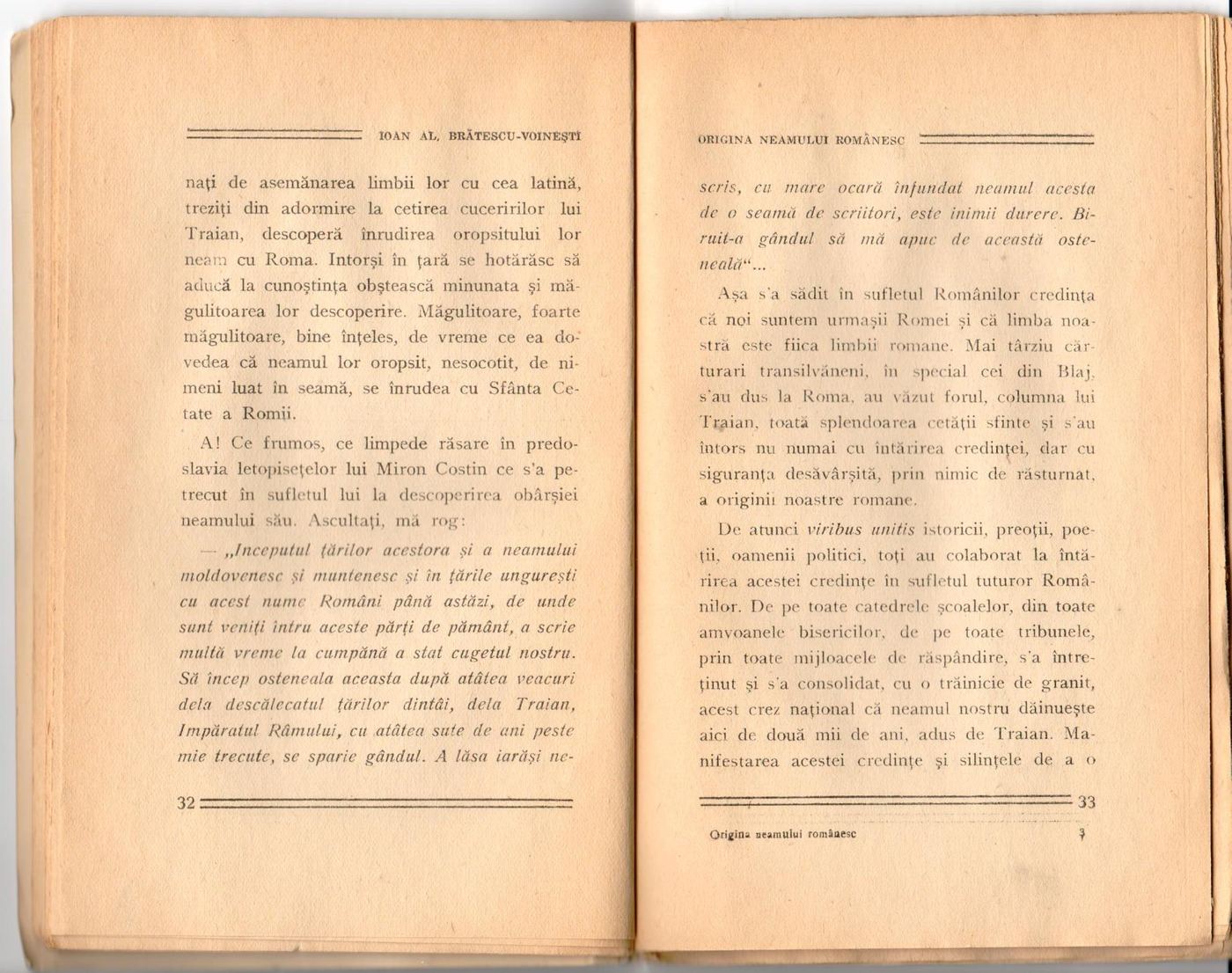
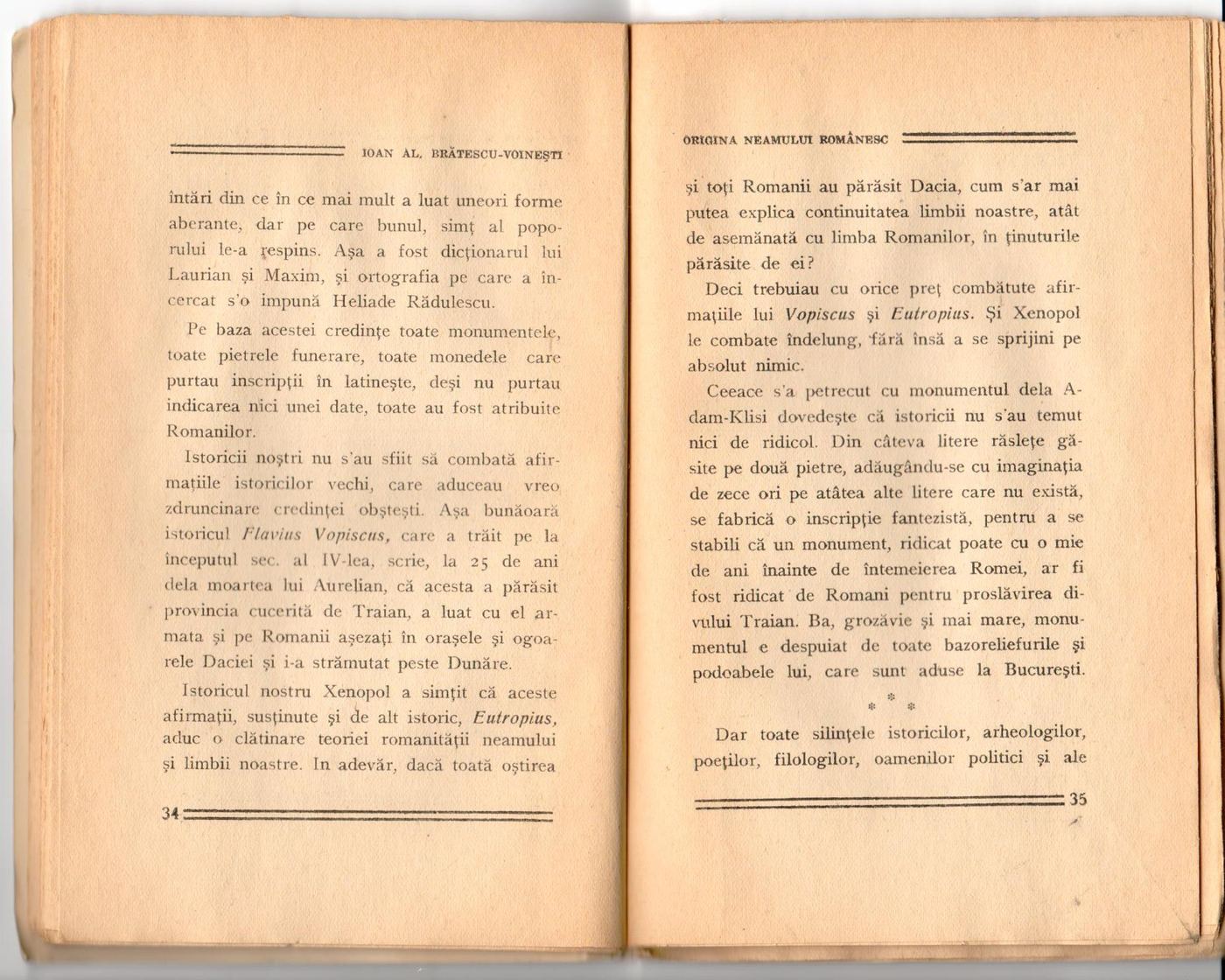
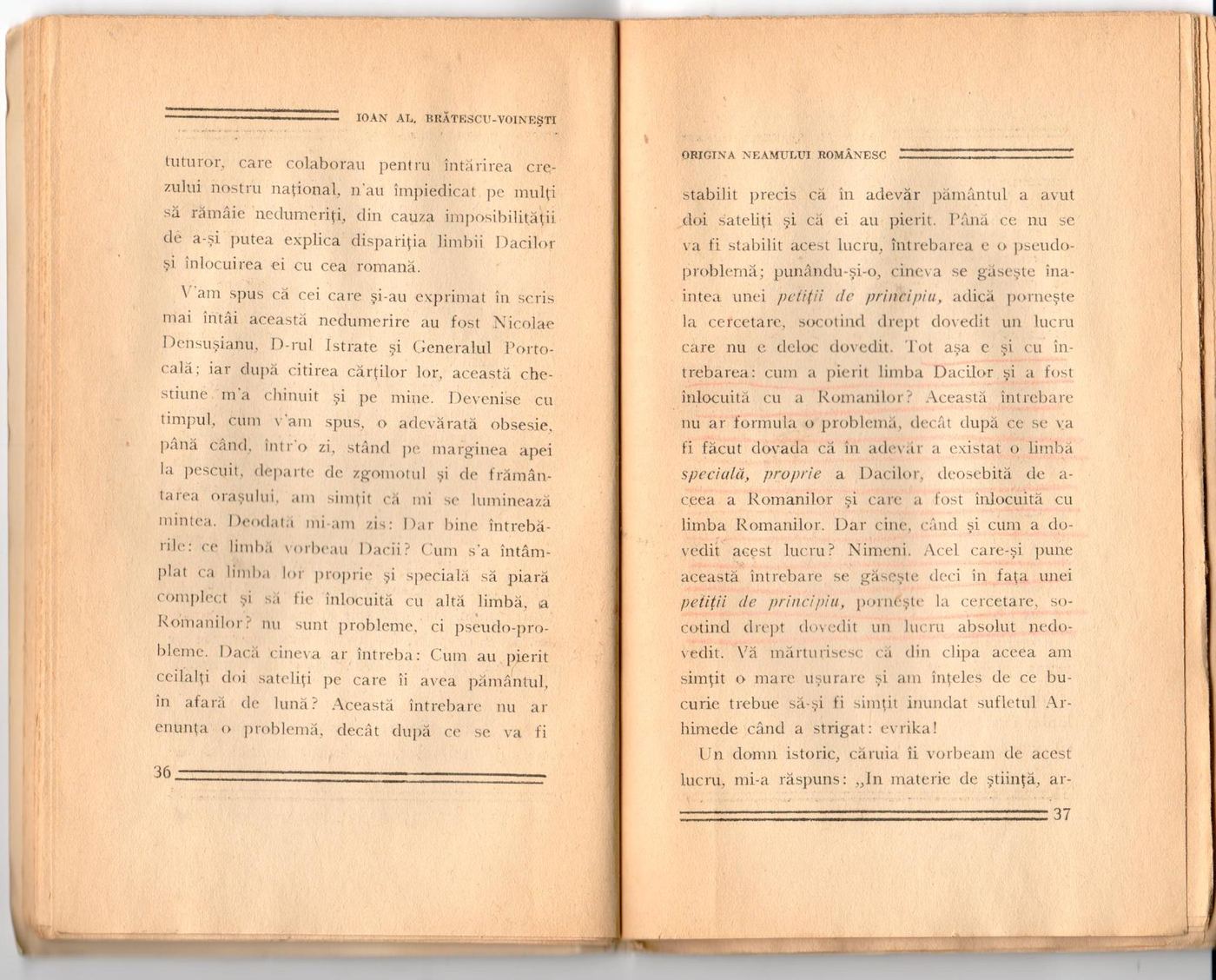
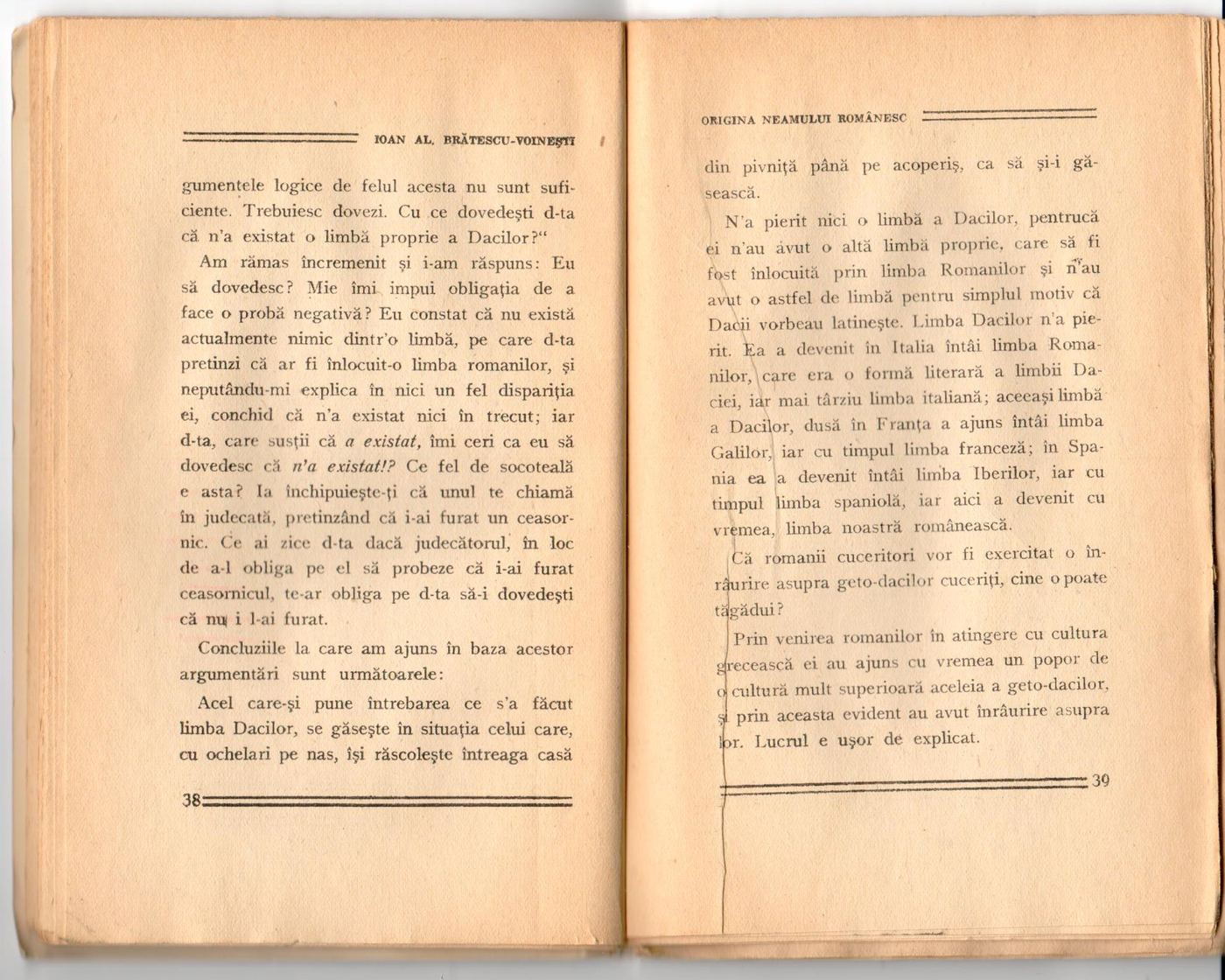
I scanned the entire book for you. (the red underlines are not mine).
Today I did my duty to our culture. It's not over for you either
day.
Today I did my duty to our culture. It's not over for you either
day.